Bruxism treatment in Barberá del Valles
Bruxism treatments: Protect your teeth and improve your sleep
At ES Dental Clinic, we treat bruxism with custom-made night guards that protect your teeth and relieve muscle tension. We improve your sleep, reduce tooth wear, and prevent jaw and head pain. Our approach is comfortable, effective, and tailored to you, improving your oral health and overall well-being.
Es Dental Clinic, specialists in bruxism treatment
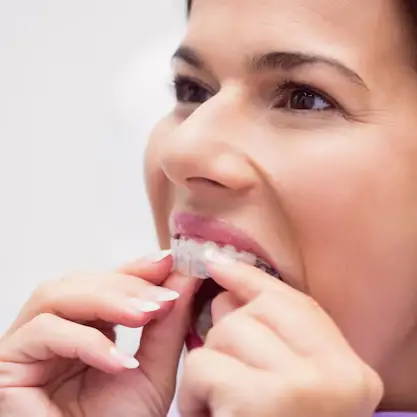
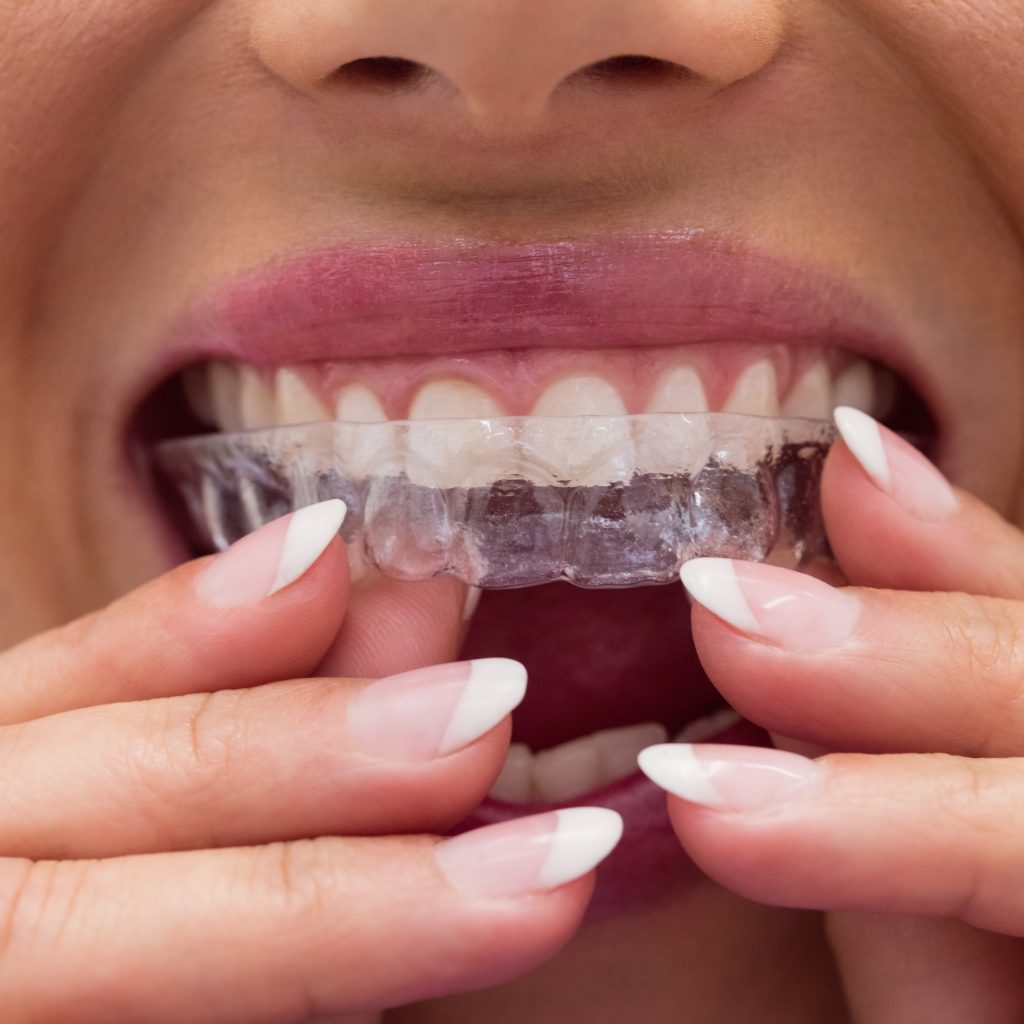
Bruxism, the involuntary habit of clenching or grinding your teeth while sleeping, can cause significant damage to your oral health. To protect your teeth from this constant wear and tear, we design fully customized night guards. Made from durable materials and fitted to the exact shape of your mouth, these splints act as a barrier that absorbs the pressure exerted during the night. This device not only protects your teeth but also helps relieve tension in the jaw, promoting more restful sleep. By using a bruxism mouthguard, you protect yourself from the harmful effects of bruxism.
Bruxism doesn’t just affect your teeth; it can also cause pain in your facial muscles, neck, and temporomandibular joint (TMJ). With a bruxism splint, we redistribute the pressure you exert when clenching your teeth while sleeping, significantly reducing muscle tension and stress on the TMJ. Furthermore, by preventing tooth wear, we avoid the need for future treatments, such as fillings or veneers, protecting the integrity of your smile. The bruxism solutions we offer, like the custom-made splint, are highly effective in preventing long-term damage.
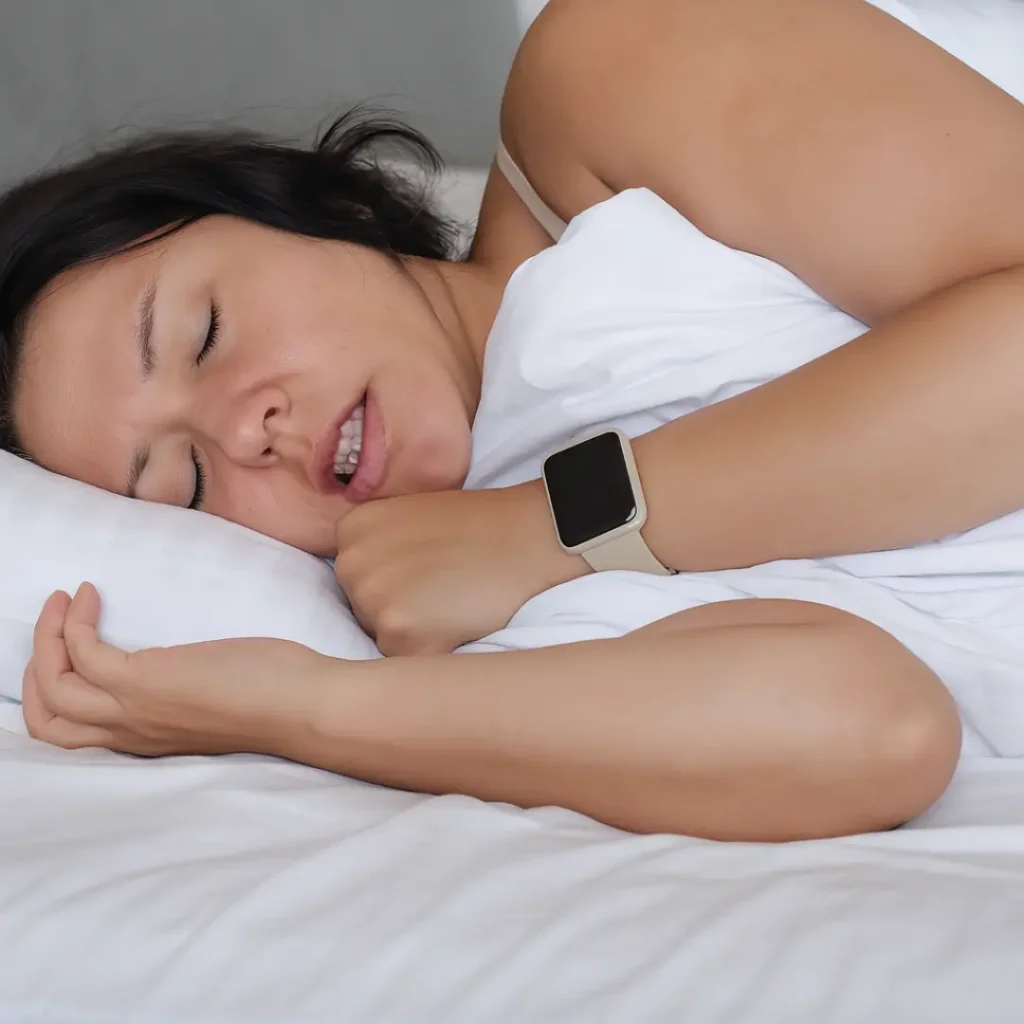
Bruxism directly interferes with the quality of your sleep, affecting not only your oral health but also your overall well-being. With a proper night guard, you can reduce episodes of clenching and grinding your teeth while sleeping, allowing your jaw to rest. This not only improves the quality of your sleep but also prevents headaches and muscle discomfort. Sleeping better is the first step towards a more balanced and healthy life, and it also helps relax your jaw while you sleep, eliminating accumulated tension.
Restful sleep is essential for your overall health, and bruxism can be a significant barrier to achieving it. With the right bruxism treatment, we not only protect your teeth and jaw joints, but we also help you regain the physical and mental balance you need to face your daily life. Sleeping well isn’t a luxury; it’s a necessity, and with our occlusal splints designed for bruxism, your oral health and quality of life will be in perfect condition.
At our clinic, we understand that every case of bruxism is unique, so we thoroughly assess your needs to design the most appropriate treatment. From diagnosis to follow-up, we’re with you every step of the way, ensuring you regain not only the health of your teeth but also your peace of mind at night. Because a healthy smile starts with a good night’s sleep. If you have any questions about the causes of bruxism or its solutions, our specialists will guide you to find the perfect treatment for you.
What are the benefits of bruxism treatment?
Treating bruxism prevents excessive tooth wear, protecting teeth from fractures, chipping, and damage from clenching or grinding teeth while sleeping, thus reducing the need for costly restorative treatments in the future.
Bruxism treatment with bite splints or relaxation devices helps relieve tension in the facial muscles, neck, and temporomandibular joint (TMJ), which can reduce headaches, muscle aches, and general discomfort.
By reducing episodes of nighttime teeth grinding, bruxism treatment improves sleep quality, which contributes to better overall health and more energy during the day.
Do you have any questions?
What is bruxism?
Bruxism is the involuntary act of clenching or grinding the teeth, especially during sleep. This habit can lead to tooth wear, jaw pain, headaches, and other problems related to the facial muscles and the temporomandibular joint (TMJ). Bruxism can be caused by stress, anxiety, dental alignment issues, and other factors.
What are the causes of bruxism?
The causes of bruxism vary from case to case, but some of the most common include stress and anxiety, dental alignment problems or malocclusions, the consumption of substances such as alcohol or caffeine, and sleep disorders. It can also be related to a genetic predisposition or temporomandibular joint (TMJ) problems. A proper diagnosis by a specialist is essential to identify the underlying cause and treat bruxism effectively.
How can I tell if I suffer from bruxism?
The most common symptoms of bruxism include teeth grinding or clenching while sleeping, jaw pain or stiffness, frequent headaches, especially in the morning, visible tooth wear, and jaw noises when opening or closing the mouth. If you experience any of these symptoms, it is advisable to consult a dentist for an evaluation.
What is the most effective treatment for bruxism?
The treatment for bruxism depends on its cause and severity. The most common solutions include the use of occlusal splints or mouthguards for bruxism, which help protect the teeth and reduce pressure on the jaw. In addition, treatments may include relaxation therapies to reduce stress, adjustments to dental alignment through orthodontics, or, in some cases, treatments for temporomandibular joint (TMJ) disorders. Treatment should be personalized according to each patient’s needs.
What are bite splints and how do they help in the treatment of bruxism?
Night guards are custom-made devices worn on the teeth at night to prevent grinding or clenching while sleeping. These splints are designed to redistribute pressure and protect the teeth, facial muscles, and temporomandibular joint (TMJ). They help relieve tension and muscle pain, protect teeth from wear, and prevent other problems associated with bruxism.
Is bruxism treatment painful?
Treatment for bruxism is generally not painful. Night guards and other devices are comfortable and designed to fit the mouth precisely. There may be some discomfort at first while you get used to wearing them, but most patients experience significant relief from pain and tension after a few days of use.
Does bruxism cause headaches?
Yes, headaches are one of the most common symptoms. The stress and tension generated by teeth grinding at night can cause headaches, especially in the forehead and temples. By treating bruxism with mouthguards or relaxation techniques, many patients experience a significant reduction in the frequency and intensity of these headaches.
Is there a definitive solution for bruxism?
Bruxism treatment can be very effective in reducing or eliminating symptoms. However, it’s not always possible to eradicate it completely, especially if the underlying cause is related to stress or temporomandibular joint (TMJ) problems. With appropriate treatment, such as night guards, dental alignment adjustments, and relaxation therapies, symptoms can be effectively managed, improving the patient’s quality of life.
How long should a bite splint be used?
The use of a night guard is generally recommended at night, and in some cases, also during the day if you experience daytime bruxism. The duration of treatment can vary depending on the severity of the bruxism and the patient’s response to treatment. It is important to follow up with your dentist to ensure that the device remains appropriate and effective.
Can I prevent bruxism?
While bruxism can’t always be prevented, there are steps you can take to reduce your risk of developing this habit. These include relaxation techniques, avoiding excessive caffeine and alcohol consumption, maintaining good sleep hygiene, and attending regular dental checkups to detect any dental or alignment problems that may be contributing to bruxism.