Dental occlusion and temporomandibular disorders in Barberá del Valles
Dental occlusion and temporomandibular disorders: Restoring the balance of your mouth
At ES Dental Clinic, we treat malocclusion and temporomandibular joint disorders with custom-made splints and dental adjustments. We relieve jaw pain, improve bite alignment, and prevent tooth wear. Our comprehensive approach aims to restore
functional balance and improve your overall well-being, starting with your oral health.
Es Dental Clínic, specialists in dental occlusion and temporomandibular disorders
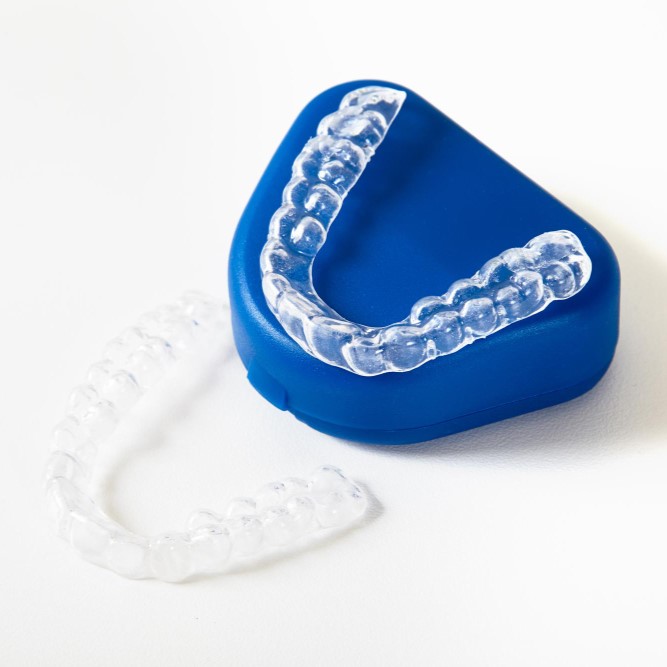
Dental occlusion refers to how the upper and lower teeth meet when the mouth is closed. An unbalanced bite can create tension in the jaw muscles, leading to jaw pain, lower front tooth pain, and joint problems. To correct these issues, we use custom-made occlusal splints. These custom-designed splints redistribute biting forces, relax the muscles, and protect the teeth from wear. They also relieve pressure on the temporomandibular joints (TMJ), significantly improving patient comfort and reducing jaw tension symptoms.
Temporomandibular joint (TMJ) disorders affect the joint that connects the jaw to the skull, causing symptoms such as jaw pain, difficulty chewing, clicking or popping sounds when opening or closing the mouth, and even headaches. Patients may also experience swollen jaws and one-sided jaw pain. Each case is unique, so we conduct a thorough diagnosis that includes clinical analyses and, if necessary, imaging studies. Based on the results, we design a treatment plan that may include occlusal splints, physical therapy, occlusal adjustments, and recommendations for modifying harmful habits, such as clenching or grinding teeth. This comprehensive approach ensures effective and lasting relief.
When the jaw doesn’t function properly, it affects not only the mouth but also other areas such as the head, neck, and even posture. By treating dental occlusion problems and TMD (temporomandibular disorders), we help restore the functionality and balance of your jaw, allowing you to speak, eat, and move without discomfort. This is essential for reducing jaw pain and preventing future complications related to tooth wear or progressive joint damage. As dental occlusion specialists, our goal is to improve your physical and emotional well-being.
A balanced mouth is fundamental to your overall health. By addressing dental occlusion problems and temporomandibular joint disorders, we not only eliminate discomfort but also care for your physical and emotional well-being. A healthy jaw reduces muscle tension, improves sleep, and alleviates chronic pain, restoring the peace and comfort you need. At our clinic, we are committed to helping you find personalized solutions so that your dental health is in balance with your general well-being.
We combine cutting-edge technology with proven techniques to treat your dental occlusion and TMJ problems. From precise occlusal adjustments to complementary therapies, we ensure you receive comprehensive and personalized treatment. Thanks to our expertise as dental occlusion specialists, we guarantee a balanced bite, which will benefit your overall health and quality of life. Because when your bite is balanced, your whole body benefits.
What are the benefits of dental occlusion and temporomandibular disorders?
By correcting dental occlusion problems, the alignment of the teeth and jaw is optimized, improving the ability to chew, speak, and breathe properly. This prevents abnormal tooth wear and promotes more efficient oral function.
Treating temporomandibular disorders (TMD) relieves jaw pain, headaches, and muscle discomfort, which are common in people with bite problems or TMJ disorders. This significantly improves quality of life and reduces muscle tension.
By addressing both dental occlusion problems and temporomandibular joint disorders, progressive damage to the teeth and joints is avoided, preventing serious complications such as tooth loss, joint degeneration, or the development of chronic disorders.
Do you have any questions?
What is dental occlusion?
Dental occlusion refers to how the upper and lower teeth align when the mouth is closed. A balanced occlusion allows for a functional bite, while an unbalanced bite can lead to problems such as tooth wear, jaw pain, or temporomandibular joint (TMJ) disorders. Dental occlusion treatment corrects these imbalances to improve dental health and jaw function.
What are temporomandibular disorders (TMD)?
Temporomandibular disorders (TMD) are conditions that affect the temporomandibular joint, which connects the jaw to the skull. Common symptoms include jaw pain, difficulty chewing, joint clicking or popping sounds, and headaches. These disorders are often related to dental malocclusion, stress, injury, or malformations of the TMJ.
How do I know if I have a temporomandibular joint (TMJ) disorder?
The most common symptoms of temporomandibular joint (TMJ) disorder include jaw pain , headaches , swollen jaws , clicking or popping sounds when opening or closing the mouth, and pain or stiffness in the facial muscles. If you experience these symptoms, it is advisable to see a dental occlusion specialist or dental occlusal specialist for a proper evaluation and diagnosis.
What treatments exist for dental occlusion and temporomandibular disorders?
Treatment for malocclusion and temporomandibular disorders (TMD) varies depending on the cause and severity of the problem. Treatment options include occlusal splints or mouthguards , which redistribute pressure during sleep and protect teeth from wear. Occlusal adjustments are also used , which help correct tooth alignment and improve the bite, ensuring proper jaw function.
In addition, physical therapy is an effective option for relieving jaw tension and improving jaw movement, thereby reducing pain and discomfort. In some more severe cases, when disorders do not resolve with conservative methods, surgical interventions or more complex treatments may be necessary to restore normal temporomandibular joint function.
Is treatment for dental occlusion or TMD painful?
Most treatments for malocclusion and temporomandibular disorders (TMD) are not painful. However, some treatments, such as occlusal adjustments or the use of occlusal splints , may cause discomfort at first while you get used to them. Over time, patients usually experience significant relief from jaw pain and other related symptoms.
How can I correct my dental occlusion?
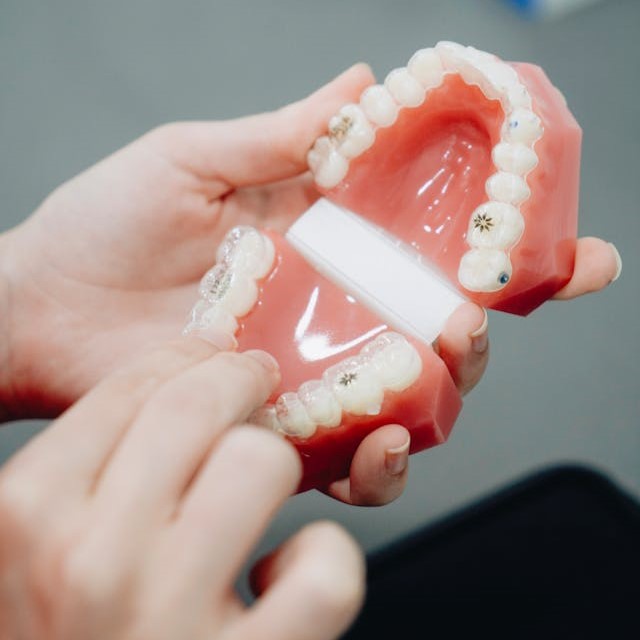
To correct malocclusion , a detailed diagnosis by a dental occlusion specialist is necessary . Treatment may include braces , clear aligners , or occlusal adjustments that realign the teeth and correct the misalignment. In some cases, malocclusion treatment may also involve the use of night guards to relieve pressure on the teeth and jaw.
Is bruxism related to dental occlusion?
Yes, bruxism, which is the act of clenching or grinding your teeth while sleeping, is often related to an unbalanced bite. Treatment for bruxism may include the use of a night guard or adjusting your bite to reduce pressure on your jaw and prevent tooth wear.
What can I do to relieve jaw pain?
Jaw pain related to temporomandibular joint disorders (TMJ) can be relieved with various treatments. Using a mouthguard or occlusal splint helps reduce pressure on the TMJ and teeth. Applying heat or cold to the affected area, practicing jaw relaxation exercises, and avoiding habits such as biting hard objects or clenching the jaw during the day are also recommended
Can I prevent TMJ disorders and dental occlusion?
Preventing TMJ disorders and malocclusion problems begins with proper care of your teeth and jaw. Maintaining good oral hygiene, avoiding stress , and regularly consulting with a dental occlusal specialist to detect potential problems before they worsen are key measures for preventing these disorders. Additionally, wearing a mouthguard if you suffer from bruxism or have an unbalanced bite can help protect your teeth and reduce jaw strain.