
Did you know that stress not only affects your mind and body, but also your oral health? Although we commonly associate stress with emotional and physical factors, few people know that it can also have a significant impact on the health of teeth and gums.
One of the most common consequences of stress is bruxism , an involuntary habit of grinding or clenching the teeth that, although it may seem harmless, has long-term effects if not treated properly.
Bruxism is related to stress because this habit often occurs as an emotional response to situations of pressure or anxiety.
Many people unconsciously grind their teeth, especially at night, which can lead to significant tooth wear, jaw pain, and other oral problems. It’s important to recognize how stress can affect our oral health so we can take preventative measures and avoid further damage.
In this article from ES Dental Clinic, we explain how stress affects your oral health, what bruxism is, its symptoms, and, most importantly, how to prevent it. We’ll give you some guidelines on when to see a dentist if you suffer from bruxism.
Keep reading to learn more about this important topic for your well-being!

How does stress affect my teeth?
Stress triggers a series of physiological responses in the body, and the mouth is no exception. When we are stressed, we tend to clench our jaw or grind our teeth involuntarily, especially during sleep. This behavior, known as bruxism, can lead to significant tooth wear, jaw muscle pain, and other oral problems.
Stress can affect oral hygiene. Anxiety and lack of time can lead to neglecting brushing and flossing, increasing the risk of cavities and gum disease. Recognizing the connection between stress and oral health is crucial for taking appropriate preventative measures.
What is stress-induced bruxism?
Bruxism is the involuntary act of clenching or grinding the teeth, and it can occur both during the day and at night. When it is related to stress, it is called emotional bruxism. This type of bruxism is more common during sleep, although it can also occur during the day in situations of concentration or anxiety.
Stress-induced bruxism not only affects dental health but can also have repercussions on the temporomandibular joint (TMJ) and jaw muscles. It is important to identify and treat this condition to prevent long-term damage to oral and overall health.
Symptoms of bruxism associated with stress
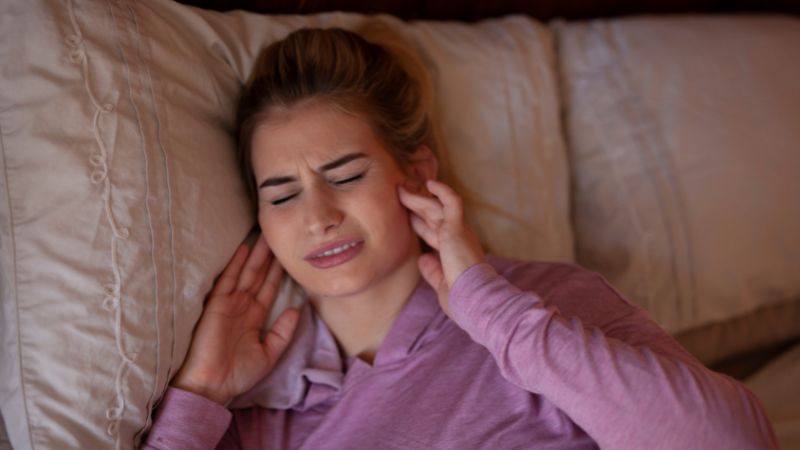
The symptoms of stress-related bruxism can vary, but the most common include:
- Wear or flattening of the teeth.
- Tooth pain or sensitivity.
- Pain in the jaw, neck or face muscles.
- Headaches, especially upon waking.
- Noises when moving the jaw.
- Swelling or pain in the jaw.
If you experience any of these symptoms, it is advisable to consult a dentist for a proper evaluation.
Tips to prevent bruxism caused by stress
Preventing stress-related bruxism involves addressing both emotional and physical factors. Here are some effective strategies:
- Using a night guard: A custom-made mouth guard can help reduce dental damage and relieve pressure on the jaw during sleep. It is an effective tool for protecting teeth and improving sleep quality.
- Jaw exercises: Performing specific exercises to relax the jaw muscles can relieve tension and prevent bruxism. These exercises help reduce stiffness and muscle pain.
- Relaxation techniques: Practicing techniques such as meditation, yoga, or deep breathing can help reduce stress levels and prevent bruxism. These practices promote overall relaxation of the body and mind.
- Avoid stimulants before bed: Limiting your intake of caffeine, alcohol, and tobacco, especially at night, can help reduce the risk of bruxism. These stimulants can increase muscle activity and anxiety.
- Maintaining good oral hygiene: Brushing your teeth regularly and flossing helps maintain dental health and can reduce the incidence of bruxism. A healthy mouth is less likely to be damaged by bruxism.
When to see a dentist for dental stress
It’s important to see a dentist if you experience symptoms of bruxism or if stress is affecting your oral health. The dentist can perform a thorough evaluation, which may include a physical exam, X-rays, and a review of your medical history.
In some cases, the dentist may recommend the use of a night guard, which is a device placed over the teeth to protect them during sleep. They may also suggest stress-reduction therapies, such as physical therapy or a referral to a mental health professional.
Don’t ignore the symptoms of bruxism. Addressing the problem early can prevent long-term damage to your teeth and improve your overall well-being.
At Es Dental Clinic in Barberà del Vallès, we are committed to your oral health. Our team of professionals is ready to help you identify and treat stress-related bruxism. We use advanced technology and a personalized approach to provide you with the best dental care.
If you suspect stress is affecting your oral health or are experiencing symptoms of bruxism, don’t hesitate to contact us. We’re here to help you maintain a healthy, pain-free smile.