

Have you ever woken up with jaw pain and not quite sure why? Or has your partner jokingly or worriedly remarked that you sound like a train derailing in your sleep? Relax, you’re not alone. Bruxism is that silent enemy that most people don’t even recognize until their dentist discovers it during a checkup. It might start as “just a bad night’s sleep,” but its reality is much more complex… and, yes, it can take a toll on your smile.
If you ever wonder what’s happening in your mouth or feel unexpected wear and tear despite maintaining good oral hygiene, there’s a good chance you’re experiencing bruxism. But what causes it? Why can you start having problems with your teeth and jaw without even realizing it? I’ll explain it in detail so you can recognize it, prevent it, and, above all, avoid letting it ruin your smile without warning.
What is bruxism and how does it manifest itself?
Bruxism is an involuntary habit of clenching or grinding your teeth, especially while you sleep. The result? Pain, wear and tear, and other discomfort in the mouth and jaw .
Have you ever wondered why you wake up with a tired mouth, tense facial muscles, or that strange pressure in your head? Bruxism might have a lot to do with it. Although teeth grinding is the most well-known symptom, it actually refers to a series of movements, mostly beyond our control, that can occur both at night and while we’re concentrating or nervous during the day.
The catch is that most of us barely notice it until the damage is done. It’s usually the dentist, during a routine checkup, who confronts us with the silent punishment: tooth wear , small fractures, or muscle discomfort in the jaw joint (TMJ). In short: something stealthy that can affect your oral health much more than you imagine.
Causes of bruxism: factors that contribute to its development
In summary:
There is no single cause of bruxism. It usually appears when emotional and physical factors, and even some unhealthy habits, come together.
Why does bruxism occur? If you were expecting a simple answer, I’m sorry to burst your bubble: even specialists don’t have a definitive theory. But what almost everyone with bruxism has in common is the following:
- Stress and anxiety: these two are definitely leading the way as the main causes. Who hasn’t felt their teeth clench in the middle of an argument or while racing against the clock at the computer?
- Sleep problems: nights of poor rest, insomnia or apnea are often the perfect scenario for episodes of nocturnal bruxism.
- Physical factors: details such as a misaligned bite or alterations in the jaw joint can be the final straw.
Interesting, isn’t it? Because sometimes you find calm people who suffer from it, and other times you find highly stressed people who never grind their teeth. Genetics? Bad luck? It seems that heredity and certain habits (like excessive coffee, alcohol, or tobacco) also tip the scales against it.
In short: bruxism isn’t simple and there’s no magic cure, but it’s usually the result of a combination of factors. Do any of them sound familiar?
Symptoms of bruxism: how to identify if you suffer from this condition
The sooner bruxism is recognized, the sooner more serious damage can be avoided: sensitive teeth, pain, or other more serious problems.
How can you tell if you grind your teeth at night? Or maybe someone has told you that you make strange noises in your sleep, but you’re not entirely convinced. To clear up any doubts, here are the most common symptoms:
- Pain or stiffness in the jaw, neck and shoulders upon waking.
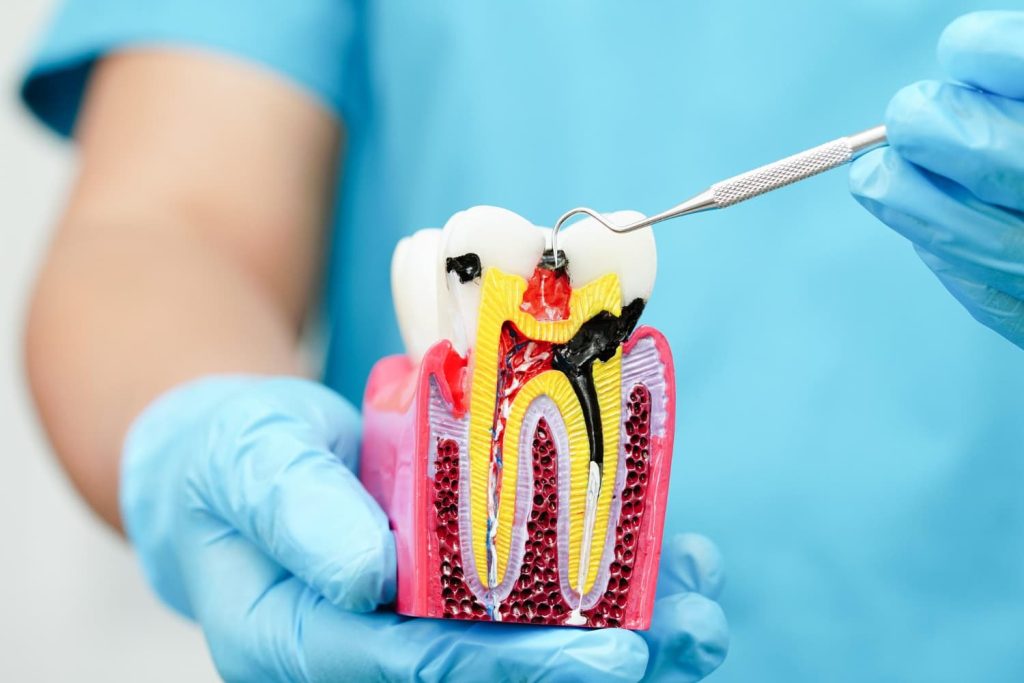
- Wear, fractures or sensitivity in the teeth , even if you haven’t bitten anything hard.
- Tension headaches , especially in the temples or behind the eyes.
In addition to this, you might experience small clicking or popping sounds in your temporomandibular joint (TMJ), difficulty opening your mouth fully, or that uncomfortable feeling of pressure in your ears and face. The problem with bruxism is that it’s so subtle that many people don’t realize they have it until their enamel is already showing the effects.
How can I tell if I clench my teeth while sleeping?
- Check if you have bite marks on your tongue or cheeks.
- Ask if they’ve heard you grinding your teeth at night.
- Notice if you wake up with a tired face or swollen gums . It’s a very clear clue.
Note that not having all the symptoms doesn’t mean you’re free of bruxism. Sometimes a little jaw discomfort or your dentist raising an eyebrow is enough to raise a red flag.
Consequences of bruxism: tooth wear and other damage
Micro-summary:
Bruxism is not just a matter of teeth: it causes wear and tear, muscle pain and can (greatly) complicate the functionality of the jaw.
Can a “simple habit” like clenching your teeth ruin your smile? While it may sound exaggerated, the answer is yes. The worst part is that the damage caused by bruxism is cumulative and, sometimes, irreversible if left untreated.
- Accelerated tooth wear: the enamel is lost, the teeth look smaller, they start to hurt in the cold… or they even chip.
- Cracks and fractures: Have you ever seen a tooth broken for no apparent reason? It’s usually due to repeated pressure while we sleep.
- Problems in the TMJ or facial muscles: jaw tension can produce dysfunctions, joint noises and difficulty chewing.
Table of common consequences:
| Associated damage | Gravity | Possibility of recovery |
|---|---|---|
| Tooth wear | High | Partial (with treatments) |
| Dental fractures | Average | Variable |
| Muscle pain | High | Yes, if it’s managed |
| TMJ disorders | High | They can become chronic |
Seriously: the worst thing you can do is ignore it until it becomes obvious. Because once a tooth is worn down, there’s no going back. Prevention makes all the difference.

Treatments for bruxism: options to relieve and prevent damage
The approach to bruxism involves protecting the teeth, relaxing muscles and resolving, when necessary, the emotional or medical triggers.
While there’s no miracle cure, the good news is that the wear and tear and the symptoms can be slowed down. However, bruxism treatment must be tailored to each individual case.
- Occlusal splint: the classic custom-made dental protector that puts a “cushion” between your teeth and prevents them from eroding further.
- Jaw exercises and stretches: these can greatly help reduce tension and relax the muscles.
- Psychological support and relaxation techniques: especially useful if stress is behind the problem.
Bruxism bite splint
A mouthguard is the best “life jacket” for your smile. Your dentist makes it for you, it fits your mouth perfectly (no, generic ones aren’t the same), and it doesn’t eliminate bruxism, but it does contain it: it protects your teeth while you look for the root cause.
- It cushions the pressure of the muscles when squeezing.
- It reduces the risk of fractures.
- Improves rest, reduces headaches and tension.
- However, it requires revisions and does not resolve whether the origin is emotional or from “biting”.
It’s so effective that many athletes even use similar versions, but designed to avoid impact. Here, what really makes a difference is persistent nighttime straining.
Strategies to prevent tooth wear caused by bruxism
It’s not just about dental treatment: your daily habits are a shield (or an enemy) against wear and tear.
Beyond a mouthguard or exercises, there are small daily actions you can take to keep your smile protected and curb bruxism. Sometimes, the key lies in simplicity:
- Avoid excessive biting of pens, nails, or gum ; it all adds tension to the jaw.
- Give your day a break with relaxation techniques, deep breathing, or herbal teas before bed.
- Put yourself in the hands of professionals and go for regular check-ups to stay one step ahead of the problem.
How to avoid grinding your teeth at night?
- Put on the bite guard every night, no excuses.
- Maintain regular sleep schedules so that your rest is truly restorative.
- Reduce caffeine and alcohol intake in the late afternoon: both can trigger bruxism episodes.
- Before going to sleep, try gently massaging your jaw and doing some facial stretches.
Prevention is always better than repair. Teeth, unfortunately, don’t “forget” damage, but you can prevent it from getting worse by acting in time and making realistic changes.
Have you seen yourself in any of these situations? Do you suspect that bruxism is already making your life difficult? If the answer is yes (or you simply have doubts), don’t hesitate to seek our help and get a personalized diagnosis as soon as possible.
- Bruxism often goes unnoticed… but it can do a lot of damage to your enamel and your daily well-being.
- It’s not due to a single reason: from stress to genetics, including habits and physical alterations.
- How to detect the problem: tooth wear, jaw pain, muscle and head pains .
- A bite guard is your best defense, but don’t neglect habit changes and emotional support.
- If you have the slightest suspicion, consult us: the first step is to ask for help.
Remember: your smile isn’t just a “pretty face.” It’s well-being, self-esteem, and your best calling card. Don’t let bruxism take over: act quickly and give your mouth the attention it deserves. Who says you can’t smile with complete confidence again?