Choosing between clear aligners and traditional braces is an important decision for those seeking to correct their teeth alignment. Both methods share the same goal: improving the functionality and design of your smile. However, they differ significantly in aspects such as comfort, aesthetics, and cost. Understanding these differences is crucial for making an informed decision that meets individual needs and expectations.
At Es Dental Clinic , we specialize in providing personalized solutions for oral health, dentistry, and oral surgery in Barberà del Vallès . Our team of professionals is committed to giving you the best care, using cutting-edge technology to guarantee optimal results. Below, we will analyze in detail the pros and cons of invisible orthodontics and traditional braces, providing key information to help you in your decision-making process.
What is invisible orthodontics?
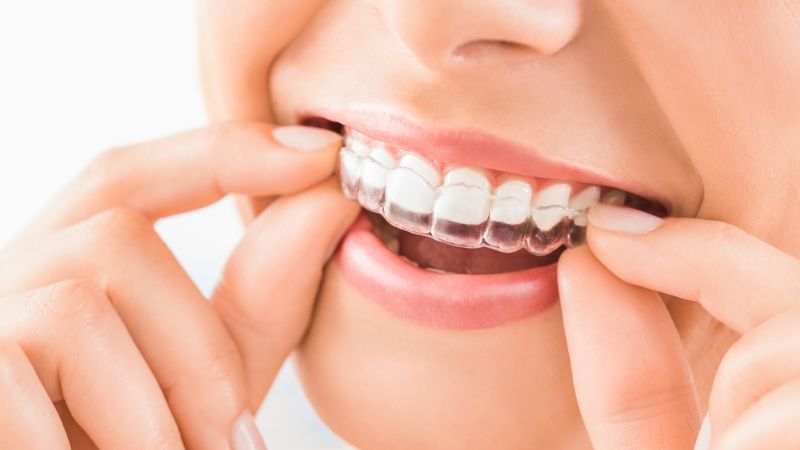
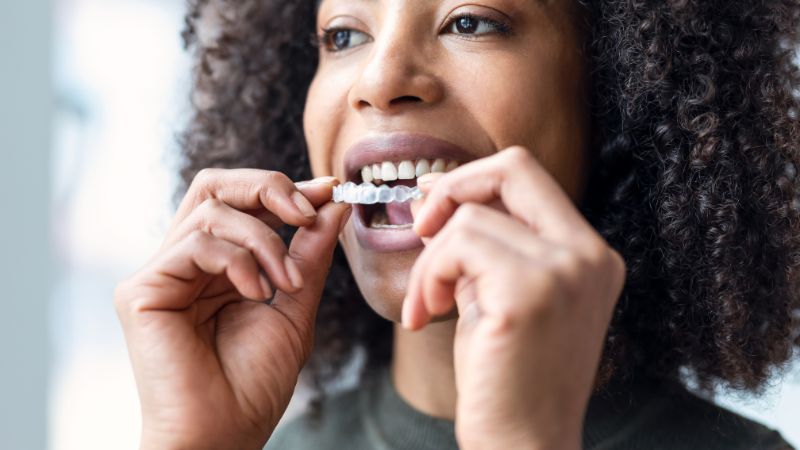
Invisible orthodontics is an orthodontic treatment that uses clear, removable aligners to correct misaligned teeth. These aligners are custom-made for each patient based on a digital scan of the oral cavity, allowing for a precise and comfortable fit. Unlike traditional braces, the aligners are virtually invisible, making them an attractive aesthetic option for many patients.
In addition to being discreet, invisible orthodontics offers the advantage of being removable, facilitating oral hygiene and allowing patients to remove the aligners during meals. This contributes to greater comfort and flexibility in daily life. It is essential that the treatment be supervised by accredited professionals to guarantee its effectiveness and safety.
Types of traditional braces
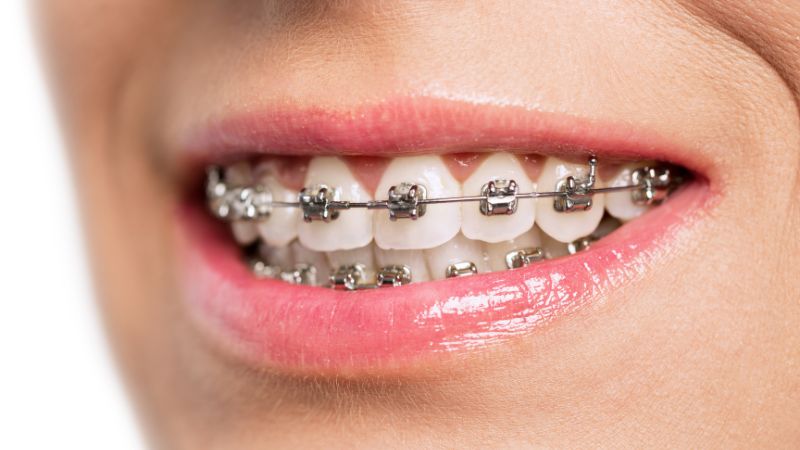
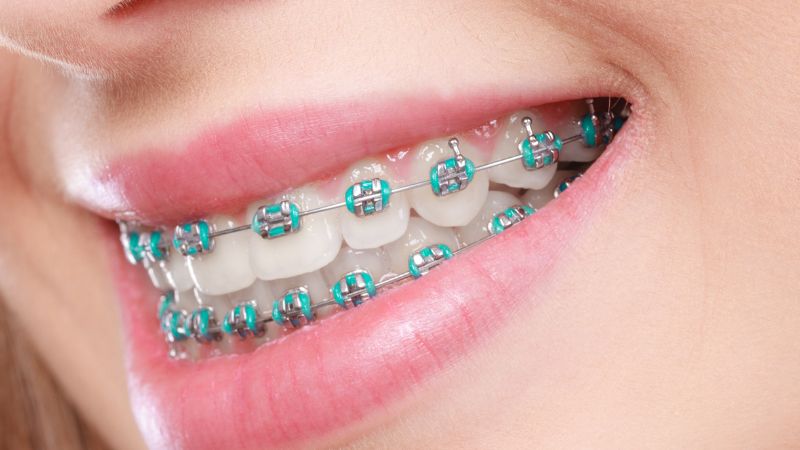
Traditional braces are fixed devices that are bonded to the surface of the teeth and connected by metal wires. There are different types; among the most common are metal braces, known for their strength and effectiveness in correcting various malocclusions. Although they are visible, their design has evolved, making them smaller and more comfortable than in the past.
Another option is ceramic braces, which blend in with the natural color of your teeth, offering a more aesthetic choice compared to metal braces. However, they can be more fragile and require special care to prevent staining. The choice between the different types of braces will depend on the patient’s specific needs and the orthodontist’s recommendations.
Differences between invisible orthodontics and traditional braces
One of the main differences lies in aesthetics . While invisible orthodontics uses nearly imperceptible clear aligners, traditional braces, especially metal ones, are more visible. This characteristic leads many adults and teenagers to opt for invisible orthodontics to maintain a more natural appearance during treatment.
Regarding removableness , clear aligners can be removed for eating and oral hygiene, making it easier to maintain good oral health. On the other hand, traditional braces are fixed, which can make cleaning more difficult and require more attention to prevent problems such as cavities or periodontal disease.
Advantages and disadvantages of invisible orthodontics and traditional braces
Each orthodontic treatment option has its own advantages and disadvantages, which can influence a patient’s decision based on their priorities and needs. Invisible orthodontics stands out for its discreet aesthetics , as the aligners are virtually imperceptible, allowing the patient to maintain a natural appearance throughout the treatment. Furthermore, the ability to remove the aligners for eating and brushing facilitates better oral hygiene, reducing the risk of cavities and periodontal disease.
They also tend to cause less discomfort to the gums and cheeks, as they are made of a soft material without any metal components. However, their effectiveness can be affected if the patient does not wear them for the recommended time (between 20 and 22 hours a day) . Furthermore, they are usually more expensive compared to traditional braces.
On the other hand, traditional braces offer an effective solution for a wide variety of orthodontic problems , including complex malocclusions and severe misalignments. Their permanent fixation allows treatment to progress without depending on patient cooperation, guaranteeing optimal results in many cases. However, they do have some disadvantages, such as their aesthetic impact, especially in the case of metal braces, which are more visible.
They can also cause initial discomfort and make oral hygiene more difficult, as they require thorough cleaning to prevent plaque and food debris buildup. Despite these drawbacks, they remain a reliable and affordable option for those seeking an effective long-term solution.
Price of invisible orthodontics versus braces
The costs associated with each treatment can vary depending on several factors, including the complexity of the case and its duration. Generally, invisible orthodontics tends to be more expensive due to the technology used in manufacturing the custom aligners and the aesthetic advantages it offers.
Traditional braces are usually cheaper, especially metal ones. However, it’s important to consider that price shouldn’t be the only deciding factor. The choice of treatment should be based on a comprehensive evaluation that takes into account the patient’s clinical needs, aesthetic preferences, and lifestyle.
The choice between invisible orthodontics and traditional braces is a decision that should be made based on each patient’s specific needs, lifestyle, and expectations regarding aesthetics, comfort, and budget. Both treatments are highly effective at correcting tooth alignment , improving bite, and optimizing oral health, but they have key differences that may tip the scales toward one option or the other.
Invisible orthodontics is ideal for those seeking discretion and comfort , as the clear aligners are virtually invisible and can be removed for eating or oral hygiene. However, their effectiveness depends on the patient’s commitment to wearing them for the recommended time. Furthermore, their cost is usually higher due to the technology used in their design and manufacture. On the other hand, traditional braces remain a reliable and affordable option , especially for more complex cases. Although they may be less aesthetically pleasing and cause some initial discomfort, their effectiveness is proven and they do not depend on patient compliance to function properly.
At Es Dental Clinic , we understand that every patient has unique needs, so we offer a personalized approach to help you find the best orthodontic solution. Our team of specialists is available to advise and guide you every step of the way, ensuring you make an informed decision tailored to your specific case. If you’re considering orthodontic treatment, we invite you to schedule a consultation with us, where we’ll assess your situation and provide a recommendation adapted to your health and smile design goals. Your ideal smile is closer than you think!