
In 2026, the way we care for our oral health will continue to evolve. Prevention, personalization, and technology applied to daily life will mark a turning point in oral hygiene habits. If you want to learn about the best habits for next year, we encourage you to keep reading.
How will oral care change in 2026?
Dental care in 2026 will be less focused on “fixing problems” and more on preventing them before they occur . Patient information and awareness will play a key role.
A more preventative and conscious approach
More and more people understand that oral health is directly related to overall health . A clear trend will solidify by 2026:
- Fewer corrective treatments
- More monitoring, checkups and self-care
- Greater attention to gums, bone, and daily habits
Oral hygiene habits that will gain importance in 2026
Small daily actions will make a big difference. Many of them already exist, but by 2026 they will become routine for most people.
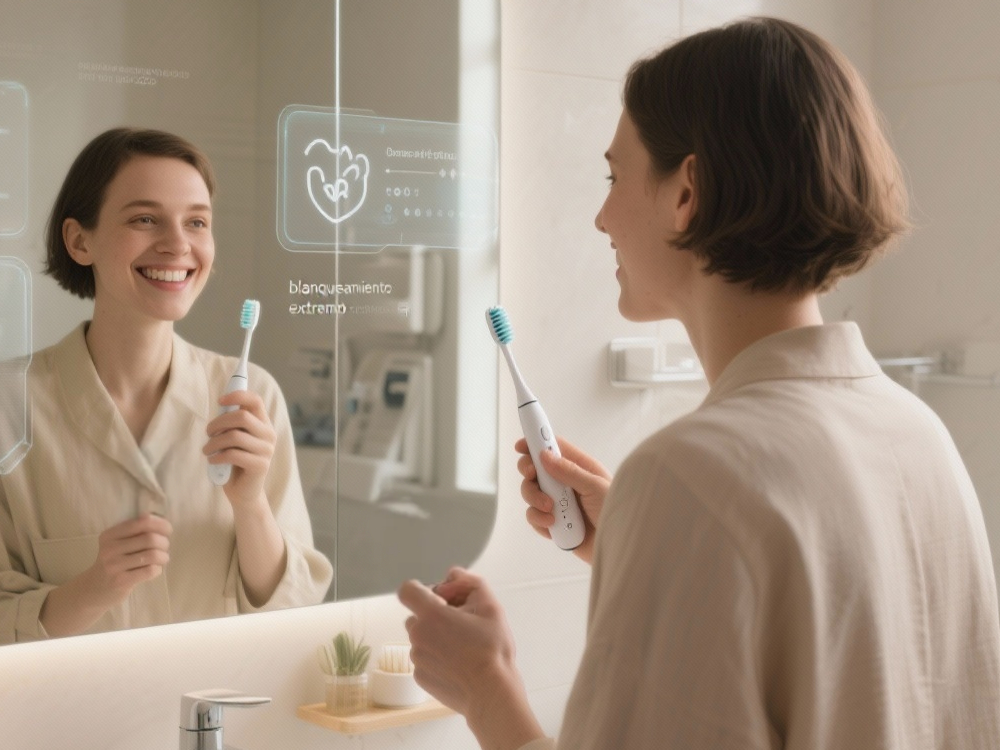
More mindful brushing, not more aggressive brushing
Brushing “harder” is no longer synonymous with brushing better. By 2026, the idea that technique is more important than force will be reinforced .
- Technique outweighs pressure
- Gentle movements help protect enamel and gums
- Brushing time will be key
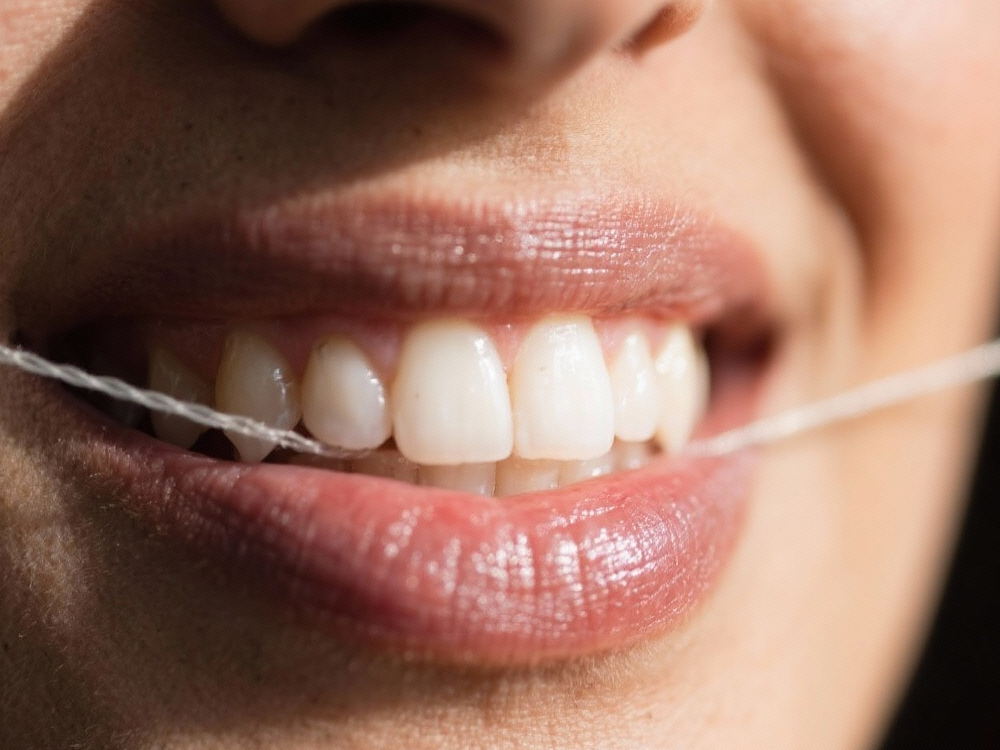
Interdental cleaning as a basic part of daily life
The use of dental floss or interdental brushes will no longer be optional. It is increasingly being emphasized that:
- Many problems start between the teeth
- The brush doesn’t reach all areas
- Regular interdental cleaning helps reduce inflammation and bleeding
The importance of gums in future oral health
If there’s one major focus of dental care in 2026, it will be the gums . For years they’ve gone unnoticed, but now they’re taking center stage.
Healthy gums as the foundation of a healthy mouth
In 2026, a key message will be reinforced: there are no healthy teeth without healthy gums . Therefore, periodontics will be very important.
Healthy gums help to:
- Keeping teeth stable
- Prevent infections and bleeding
- Preventing long-term bone loss
Early signs that will receive more attention
More and more people will learn to recognize symptoms that were previously ignored. These signs are often early warnings:
- Bleeding when brushing
- Inflammation or redness
- Sensation of receding gums
- Persistent bad breath
Nutrition and dental health: an increasingly clear relationship
By 2026, the relationship between what we eat and our mouths will be clearer than ever. It’s not just about sugar, but also about frequency, texture, and habits .
Less snacking, more control
It’s not just what you eat, but how many times a day . Constant snacking can:
- Increased risk of cavities
- Keeping the mouth in a more acidic environment
- Hinder the natural recovery of the enamel
Foods that promote oral health
Some foods will gain prominence due to their positive impact on daily routines:
- Crunchy fruits and vegetables
- Foods rich in calcium
- Water as the main drink
Dental technology and health in 2026: more information for the patient
Technology will continue to advance, but its greatest impact will be in making the patient more aware of their own oral health.
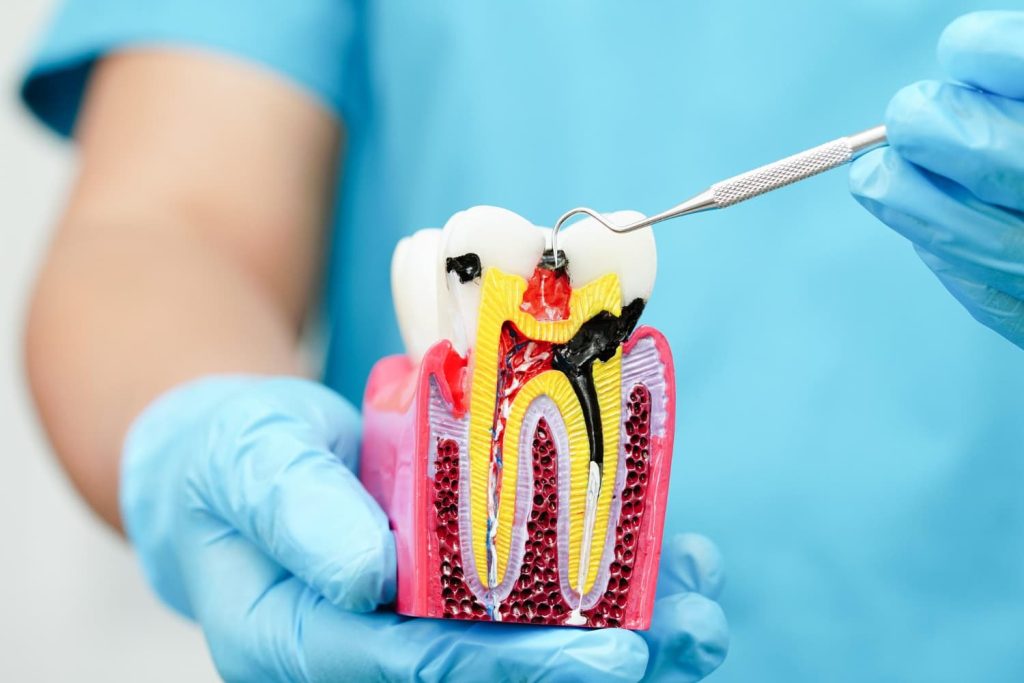
Clearer and more visual diagnoses
In 2026, it will be more common to better understand what is happening in the mouth thanks to resources that facilitate monitoring:
- More detailed images
- Visual explanations
- More precise monitoring of the evolution
This allows for informed decisions and action before the problem escalates.
What can you start doing today with 2026 in mind?
Although we’re talking about the future, many of these changes can begin right now. The key is consistency and prioritizing sustainable habits.
Simple actions with long-term impact
- Improve brushing technique
- Incorporate daily interdental cleaning
- Pay attention to your gums
- Maintain regular checkups
- Take care of your diet
Small, consistent habits generate big results over time.
2026 will mark a turning point in oral care
Oral health in 2026 will be based on prevention, knowledge, and sustainable habits . Caring for your mouth will no longer be an occasional occurrence but will become an active part of overall well-being.
Investing time in understanding your oral health today is the best way to avoid problems tomorrow .