
By 2026, many habits that are still normalized in dental care today will be clearly identified as avoidable mistakes .
Understanding them is key to protecting your teeth and gums in the long term. We’ll tell you about them below.
Why do we keep making the same dental mistakes?
Although information is increasingly accessible, many people maintain routines out of habit or misinformation. In 2026, the focus will be on correcting small daily errors before they become bigger problems.
The false feeling of “nothing is wrong”
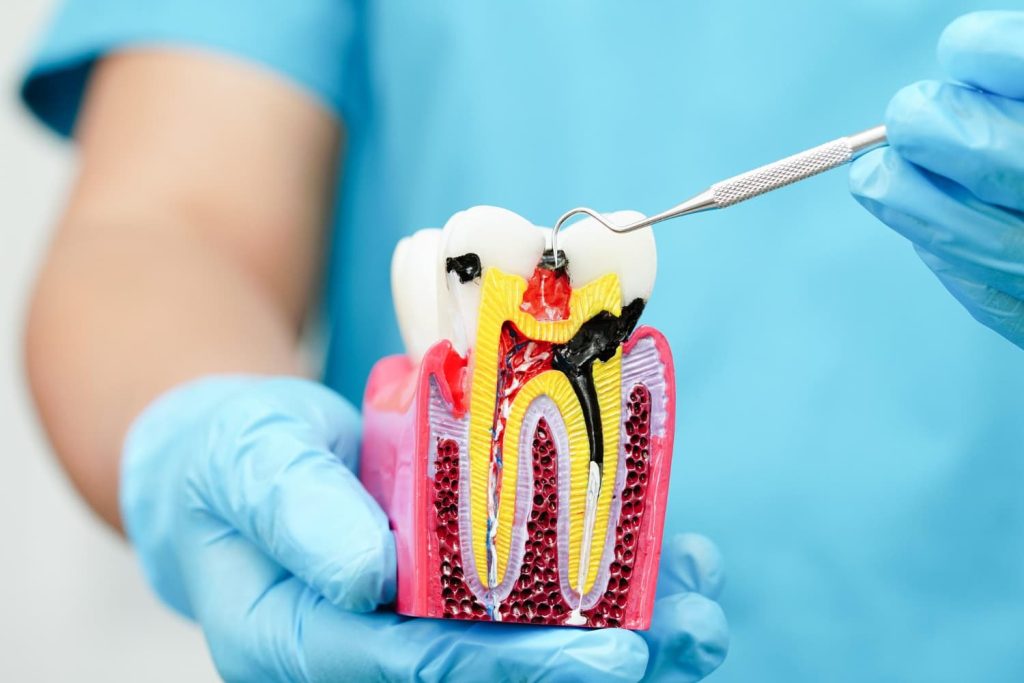
One of the biggest mistakes is thinking that if there’s no pain, there’s no real problem . However:
- Many oral diseases are silent.
- The damage can progress without clear symptoms
- When pain appears, the problem is usually more advanced.
Brushing your teeth incorrectly will continue to be one of the most common mistakes.
In 2026, there will be much more emphasis on how teeth are brushed, not just how often. Technique, time, and gentleness matter more than it seems.
Aggressive brushing: more harm than good
Brushing too hard can cause:
- Enamel wear
- Gum recession
- Increased tooth sensitivity
The trend will be clear: gentle, controlled, and consistent brushing .
Forgetting key areas of the mouth
Many people still focus their brushing only on the visible part of their teeth. In 2026, the importance of cleaning will be reinforced:
- The gum line
- The inner part of the teeth
- The back molars
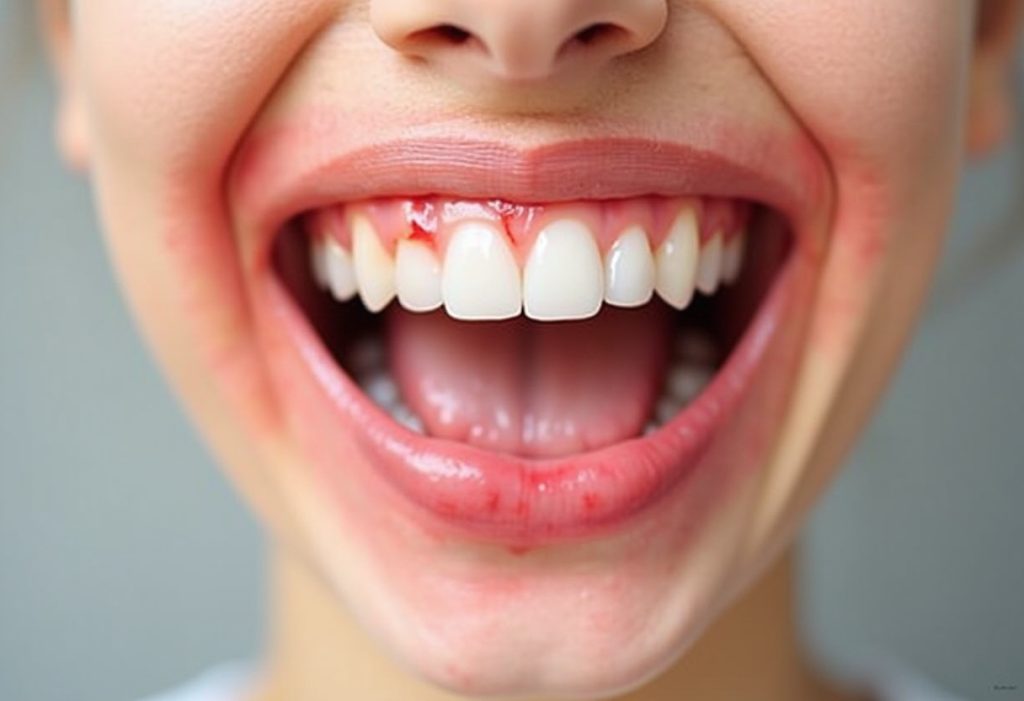
Neglecting your gums: a mistake that will be more visible in 2026
For years, gums have been largely neglected. This is changing, and by 2026 they will be a key aspect of dental self-care.
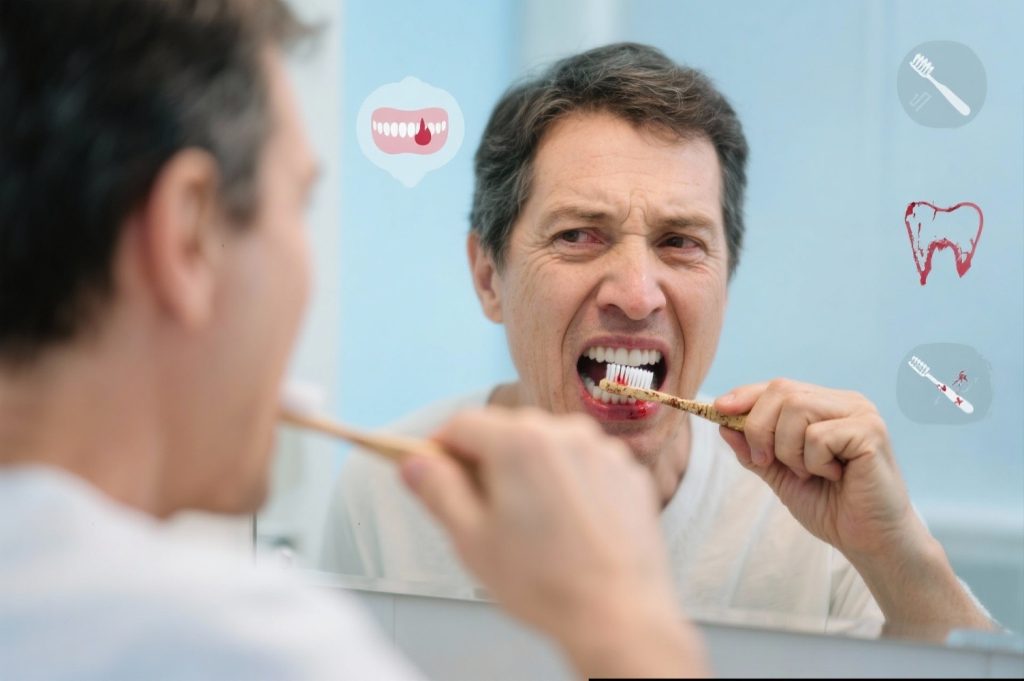
Normalize bleeding when brushing
Thinking that bleeding is “normal” will continue to be one of the most dangerous mistakes. Bleeding can indicate:
- Inflammation
- Presence of bacteria
- Onset of a periodontal problem
In 2026, ignoring bleeding will no longer be an informed option.
Not cleaning between your teeth will continue to take its toll.
Another common mistake is relying solely on the toothbrush. Interdental spaces easily accumulate debris and plaque, even when brushing seems correct.
The brush doesn’t clean everything.
Debris accumulates between the teeth and can:
- Promote the development of cavities
- Inflamed gums
- Generate bad breath
By 2026, interdental cleaning will be seen as a basic part , not an extra.
The overuse of quick-fix breath or cosmetic solutions
Indiscriminate use of mouthwashes, miracle products, and “express” solutions will continue to be a problem. Responsible use of products and routines will be reinforced in 2026.
Masking symptoms is not solving the problem.
Freshening breath or superficially whitening teeth does not eliminate the real cause if one exists:
- Plaque buildup
- Gum problems
- Failures in daily hygiene
In 2026, the priority will be understanding the origin , not just the effect.
Dental checkups only when there is pain
This will continue to be one of the most common mistakes… and most avoidable. Many problems can be detected before they cause discomfort .
Pain shouldn’t be the warning.
- Regular check-ups help avoid complex treatments
- Early detection reduces risks
- Prevention is usually easier than correction
What habits should be left behind before 2026?
In summary, these are the mistakes that should gradually disappear. Changing them today is a direct way to take care of your oral health in the future.
Habits worth reviewing
- Brushing too hard
- Ignoring bleeding gums
- Do not clean between your teeth
- Using products indiscriminately
- Waiting for pain to act
Oral health in 2026 will be defined by information, prevention, and personal responsibility . Avoiding known mistakes will be just as important as adopting good habits.
Taking care of your mouth is not about doing more, but about doing it better and with good judgment .