
Your gums are not only key to maintaining your smile, but their health also influences your overall well-being. Discover how to care for your gums and why it’s essential to do so as periodontists .
What are gums and what is their function?
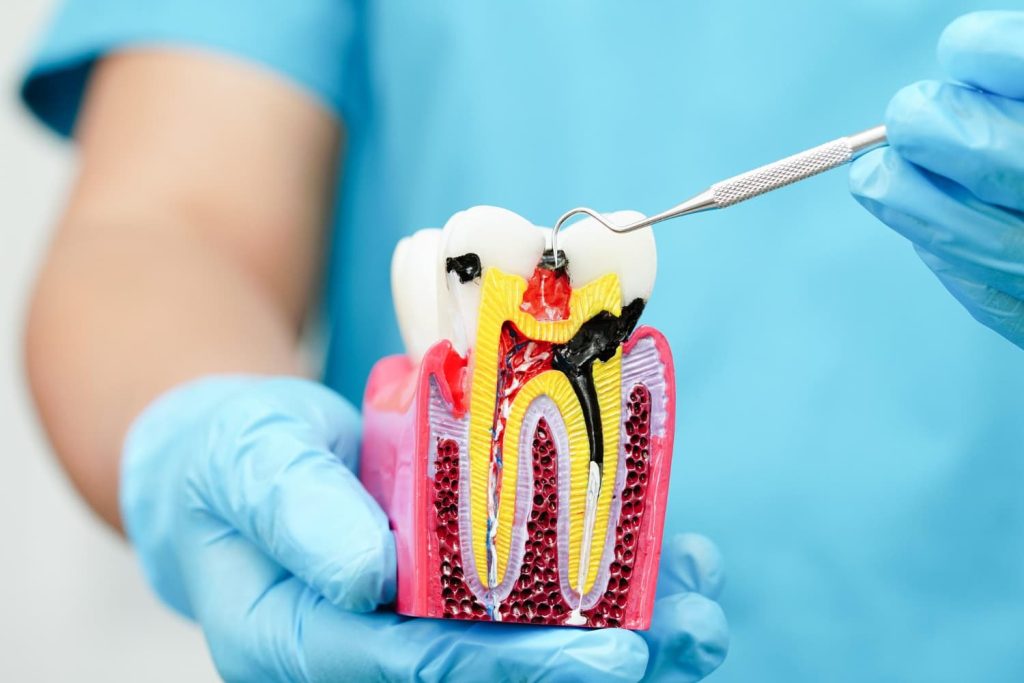
The gums are the soft tissues that surround and protect the teeth and jawbone. They are a crucial part of our oral health and, although we often don’t pay enough attention to them, they play a vital role in keeping our teeth stable and protected.
Key functions of the gums
- Protection: They act as a barrier between the teeth and the bacteria present in the mouth.
- Tooth retention: They help keep teeth firmly attached to the jawbones.
- Shock absorption: They protect teeth from injury when chewing or speaking.
Why are gums so important to our health?
Our gums not only affect our smile design, but are also directly linked to our overall health. Proper gum care is essential to prevent a range of problems that can have a negative impact beyond the mouth.
Relationship between gum health and general health
- Heart disease : Periodontitis (serious gum disease) has been associated with an increased risk of heart disease. Bacteria in inflamed gums can enter the bloodstream, affecting the heart.
- Diabetes: People with diabetes are more likely to develop gum disease, and in turn, swollen gums can make it harder to control blood sugar levels.
- Respiratory problems: Bacteria from the gums can affect the lungs, causing respiratory infections.
- Complications in pregnancy: Periodontitis can increase the risk of premature birth and low birth weight.
Most common gum diseases
Gum disease is very common and, if left untreated, can lead to serious complications, such as tooth loss. Here we explain the most common types:
1. Gingivitis
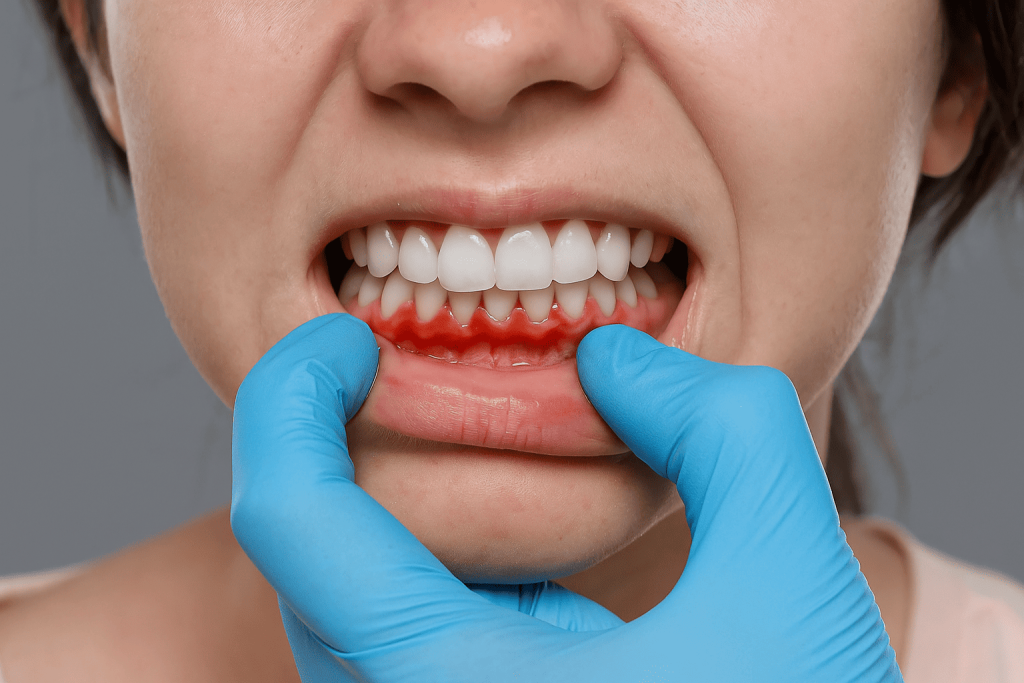
Gingivitis is a mild inflammation of the gums that, if left untreated, can progress to periodontitis. Its symptoms include redness, swelling , and bleeding when brushing.
Causes of gingivitis:
- Bacterial plaque accumulated on the teeth and gums.
- Poor oral hygiene habits, such as not brushing your teeth or not flossing regularly.
2. Periodontitis
Periodontitis is a more serious form of gum disease. If gingivitis is left untreated, it can progress to periodontitis, which affects the deeper tissues that support the teeth .
Symptoms of periodontitis:
- Loose teeth.
- Persistent bad breath.
- Gum recession (gums that pull away from the teeth).
- Pain when chewing.

How to prevent and care for your gums?
Preventing gum disease is easier than you think, and it starts with good oral hygiene. Here are some essential tips:
1. Brush your teeth properly
Proper brushing is essential to remove plaque that can build up on your teeth and gums. Use a soft-bristled toothbrush and fluoride toothpaste to protect your gums and teeth. It’s recommended to brush after every meal and at least twice a day.
2. Use dental floss
Flossing is essential for cleaning the areas between your teeth that your toothbrush can’t reach. This helps prevent plaque buildup on your gums and between your teeth, reducing the risk of gingivitis and periodontitis .
3. Make regular visits to the dentist
It’s recommended to visit the dentist at least twice a year for checkups and professional cleanings. This allows them to detect gum problems in their early stages and provide appropriate treatment.
4. Maintain a healthy diet
A balanced diet rich in vitamins C and D is essential for healthy gums. These vitamins help keep gums strong and resistant to infection.
5. Avoid tobacco
Smoking is one of the main risk factors for gum disease. Tobacco reduces the gums’ ability to heal and increases plaque buildup.
When should you see a dentist for gum problems?
If you notice any of the following symptoms, it is important to consult your dentist as soon as possible:
- Frequent bleeding of the gums when brushing your teeth.
- Persistent bad breath or a bad taste in the mouth.
- Red, swollen, or sore gums.
- Loose teeth or changes in the way teeth fit together when biting.
Treating gum problems early can prevent serious complications and improve your long-term oral health.
The health of your gums is key to your well-being
Gum health plays a vital role in maintaining not only your smile, but also your overall health. Caring for your gums through good oral hygiene and regular dental visits can prevent serious diseases and improve your quality of life.
Remember that a healthy smile starts with healthy gums. Don’t underestimate the importance of caring for your gums, as they are the foundation of a healthy and functional mouth.