
Maintaining a healthy smile does not depend solely on visiting the dentist when a problem arises. Prevention starts at home, with small daily habits that help protect the teeth and gums of the whole family. Good oral hygiene, a balanced diet and regular dental check-ups can reduce the risk of tooth decay, gum disease and other oral health problems.
At ES Dental Clínic, we believe that dental health education is a fundamental part of our work. That is why we would like to share 10 simple habits that you can incorporate into your daily routine to take care of your smile and your family’s from today onwards.
Why are daily habits important for oral health?
Every day, our mouth is exposed to bacteria, food debris and other factors that can affect tooth enamel and gums. Although brushing is the foundation of good oral hygiene, maintaining a healthy smile requires more comprehensive care.
The habits we maintain over the years have a direct impact on our oral health. In fact, many common conditions, such as tooth decay or gingivitis, can be prevented with a proper routine and professional check-ups.
In addition, teaching these habits from childhood helps children understand the importance of looking after their teeth and reach adulthood with a healthier relationship with oral care.
What are the 10 habits that help maintain a healthy smile?
1. Brush your teeth at least twice a day
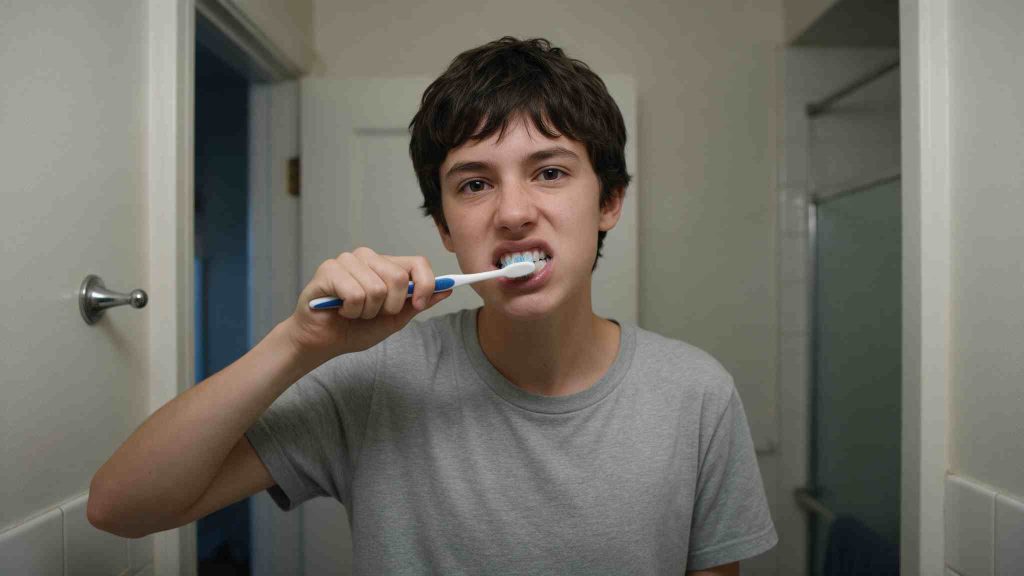
Brushing your teeth is the first step in removing the bacterial plaque that builds up throughout the day. Ideally, you should brush for around two minutes, paying attention to all tooth surfaces, including the areas that are more difficult to reach.
It is important to use the correct technique and choose a toothbrush and toothpaste suited to each person’s needs.
2. Use dental floss or interdental brushes
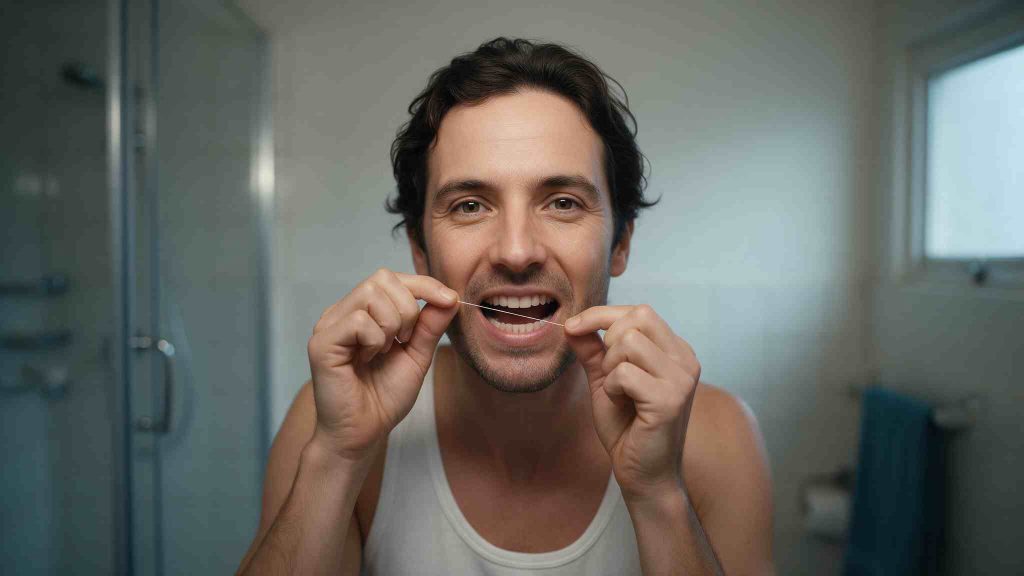
A conventional toothbrush cannot always reach the spaces between the teeth. For this reason, complementing your daily routine with dental floss or interdental brushes helps remove food debris and bacterial plaque from these areas.
This habit is particularly important for preventing gum problems and achieving a more thorough clean.
3. Do not forget to clean your tongue
The tongue also accumulates bacteria that can affect oral health and contribute to bad breath.
Cleaning it gently as part of your oral hygiene routine helps keep your mouth cleaner and fresher.
4. Reduce frequent sugar consumption
It is not only the amount of sugar we consume that matters, but also how often our teeth are exposed to it.
Sugary foods and drinks contribute to tooth decay, especially when consumed between meals without proper oral hygiene afterwards.
Some recommendations include:
- Keeping sweets and sugary products for specific occasions
- Avoiding sugary drinks as an everyday option
- Prioritising fresh foods and a balanced diet
5. Drink enough water throughout the day
Water helps maintain proper hydration and supports saliva production, which plays an essential role in protecting the teeth.
Drinking water after meals can also help remove food debris and reduce the presence of acids in the mouth.
6. Avoid harmful habits such as biting objects
Biting pens, opening packaging with your teeth or using your mouth as a tool can cause wear, small fractures or damage to the teeth.
Taking care of our teeth also means avoiding actions that could weaken them.
Dental hygiene routine to take care of teeth and gums
7. Protect your teeth when practising sport
If you take part in contact sports or activities with a risk of impacts to the mouth, using a mouthguard can help prevent serious injuries.
Prevention is not only about avoiding disease, but also about protecting the structure of the teeth from potential accidents.
8. Attend regular dental check-ups
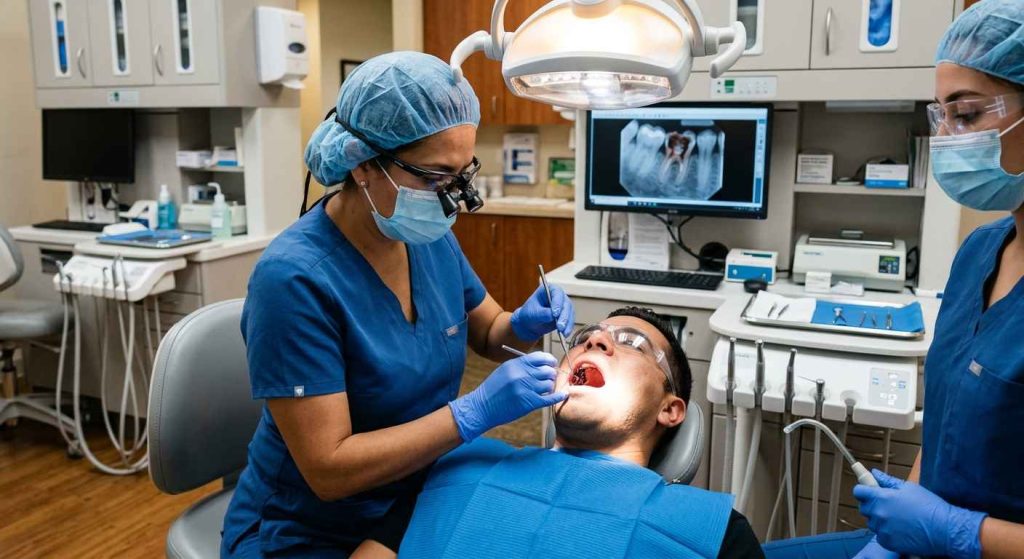
Many dental problems do not cause symptoms in their early stages. Regular check-ups therefore make it possible to detect minor issues before they progress.
At ES Dental Clínic, we recommend check-ups tailored to each patient, taking into account their age, dental history and specific needs.
9. Take care of dental health from childhood
Children should learn from an early age that oral hygiene is part of their daily routine.
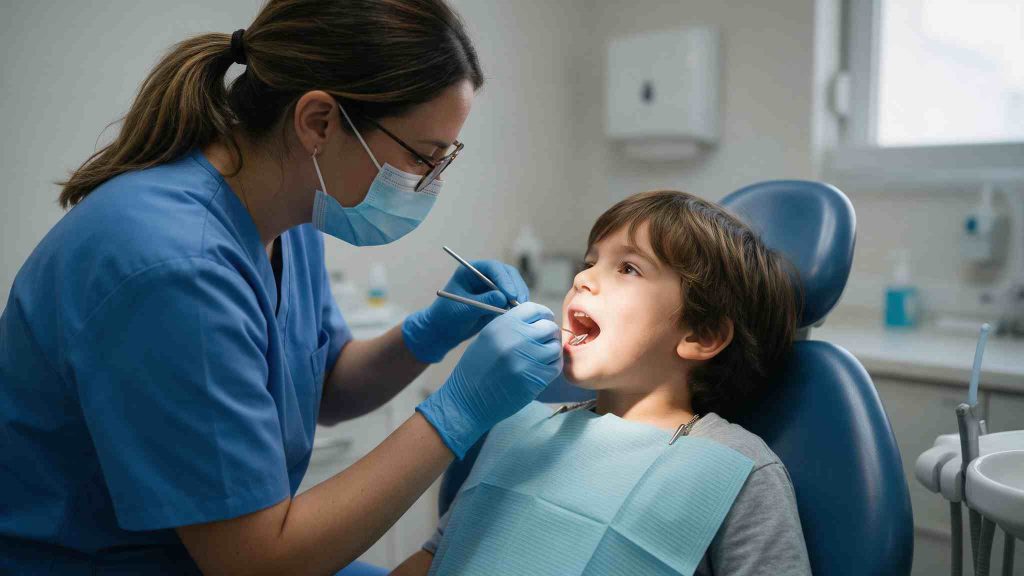
A first visit to the dentist is an opportunity to become familiar with the clinical environment, ask questions and establish positive habits from an early age.
10. Pay attention to the warning signs in your mouth
Pain, tooth sensitivity, bleeding gums, changes in tooth colour or discomfort when chewing are signs that should not be ignored.
Consulting a professional when you notice any changes makes it possible to act early and avoid more serious complications.
What habits can help children take better care of their teeth?
Creating a family routine makes it easier for children to incorporate dental hygiene naturally into their daily lives. Some useful tips include:
- Brushing your teeth together so it becomes a shared habit
- Supervising brushing until children are sufficiently independent
- Avoiding passing on fear of the dentist
- Scheduling preventive visits from an early age
Childhood is a key stage for laying the foundations for good oral health throughout life.
A healthy smile starts with small daily habits
Looking after our oral health does not require major efforts, but it does require consistency. A few minutes each day devoted to dental hygiene, together with a balanced diet and appropriate professional check-ups, can make a significant difference.
At ES Dental Clínic, we support each patient with a personalised approach, from prevention to the most advanced treatments, helping maintain a healthy and functional smile at every stage of life.
If you would like to check the condition of your oral health or have any questions, our team will be happy to help.