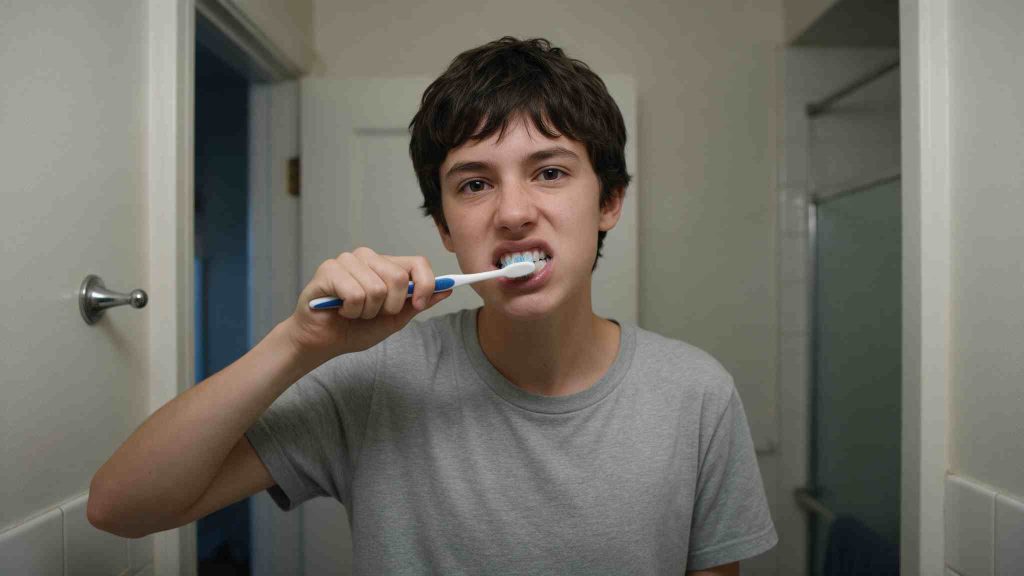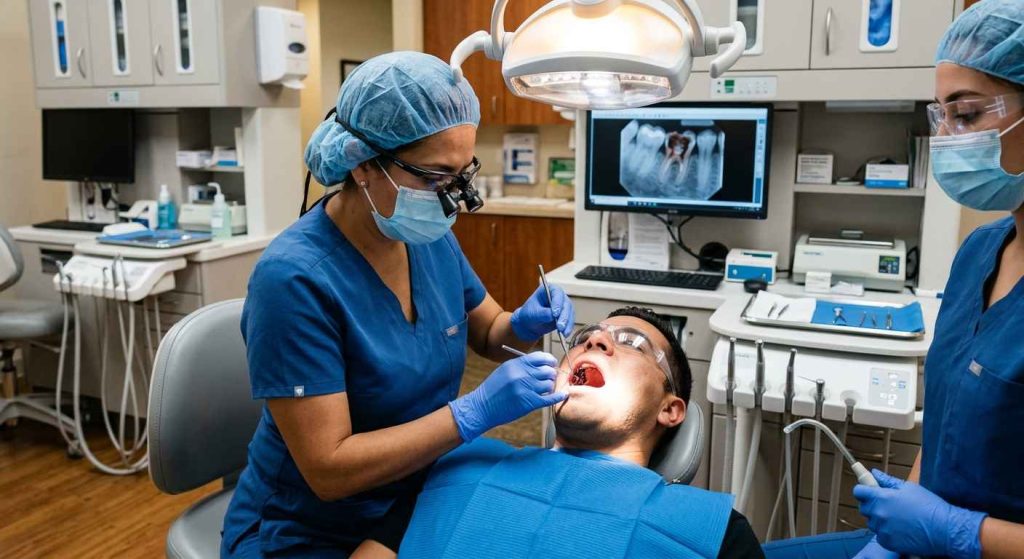
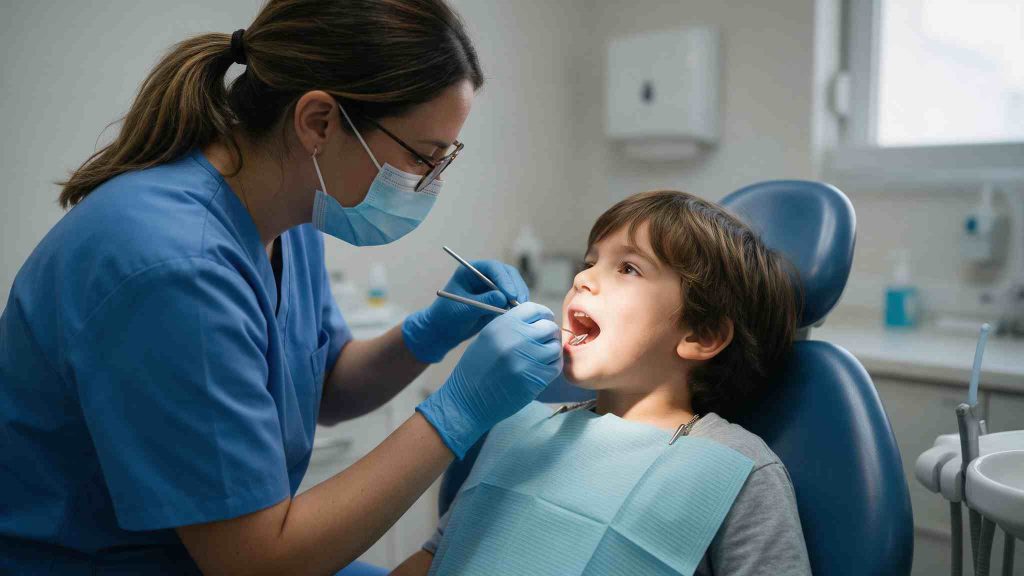

Yes, taking children to the dentist is safe when care is provided following appropriate hygiene, prevention and age-adapted patient management protocols. A paediatric dental clinic should offer much more than just treatment: it should create an environment where children feel calm, supported and protected throughout the entire process.
At ES Dental Clínic, we work to ensure that visiting the dentist is a positive experience from the earliest years. To achieve this, we adapt every check-up or treatment to each child’s needs, taking into account factors such as their age, dental development, level of cooperation and any fears or concerns they may have.
A child’s first dental visit should not be associated with pain or fear. On the contrary, it can be an opportunity for children to learn how to care for their oral health and develop habits that will stay with them throughout their lives.
Why is it important to take children to the dentist from an early age?
Oral health during childhood has a direct impact on adulthood. Regular check-ups allow problems to be detected in their early stages and treated before more complex procedures become necessary.
During the first years of life, the mouth is constantly developing. Therefore, a children’s dental check-up allows us to monitor aspects such as:
- The appearance and development of baby and permanent teeth.
- The risk of cavities according to hygiene and dietary habits.
- Bite problems or changes in dental growth.
- Habits that may affect oral development, such as prolonged pacifier use, thumb sucking or certain breathing patterns.
Early check-ups also help children become familiar with the dental environment and see visits as something normal, reducing possible fears in the future.
What safety measures do we apply at ES Dental Clínic for children?
Safety in a children’s dental consultation involves different aspects: from instrument hygiene to the way visits are organised and communication with the patient.
At ES Dental Clínic, we apply protocols designed to protect children’s health and provide comfortable and controlled care at every stage.
Hygiene, sterilisation and risk prevention
Cleaning and disinfecting the environment are essential to ensure safe dental care.
The usual measures include:
- Instrument sterilisation using an autoclave.
- Use of disposable materials when necessary.
- Disinfection of surfaces between patients.
- Hand hygiene control and use of appropriate protective equipment.
- Use of digital radiography systems with protection adapted to the child’s size when clinically indicated.
Every procedure is carried out following safety protocols to reduce risks and provide appropriate care for paediatric patients.
How do we manage children’s fear and anxiety during dental visits?
One of the most important aspects of paediatric dentistry is ensuring that children feel comfortable and understood.
At ES Dental Clínic, we use communication techniques adapted to each age group so children understand what will happen and can participate positively during their visit.
One of the most common strategies is the “tell, show and do” method:
- We explain what we are going to do using simple words.
- We show the instruments and explain the procedure before using them.
- We carry out the treatment once the child feels ready.
In addition, we can use resources such as distraction through stories or music, breaks during treatment and positive reinforcement to build trust.
Parents’ presence can also help in certain cases, especially when it allows the child to relax and cooperate more easily.
What happens during the first children’s dental visit?
The main purpose of the first appointment is to assess the child’s oral health and create a trusting relationship with the dental team.
Normally, invasive procedures are not carried out unless there is an urgent situation. The visit usually focuses on an initial assessment of the teeth, gums and oral development.
During this first check-up, we can evaluate aspects such as:
- Hygiene and dietary habits.
- Risk of cavities.
- Condition of teeth and gums.
- Bite development.
- Need for preventive treatments.
If X-rays are required, they are only recommended when there is a clinical need and are performed using systems adapted for paediatric patients.
Which children’s dental treatments are most common?
Paediatric dentistry mainly focuses on preventing problems and maintaining children’s oral health.
Some common procedures include:
- Professional cleanings and polishing adapted to the child’s age.
- Fluoride applications when indicated.
- Sealants on permanent molars to reduce the risk of cavities.
- Conservative treatments to restore teeth affected by cavities.
- Assessment and monitoring of oral habits.
Each treatment is planned according to the child’s age and specific needs, always aiming to use the least invasive techniques possible.
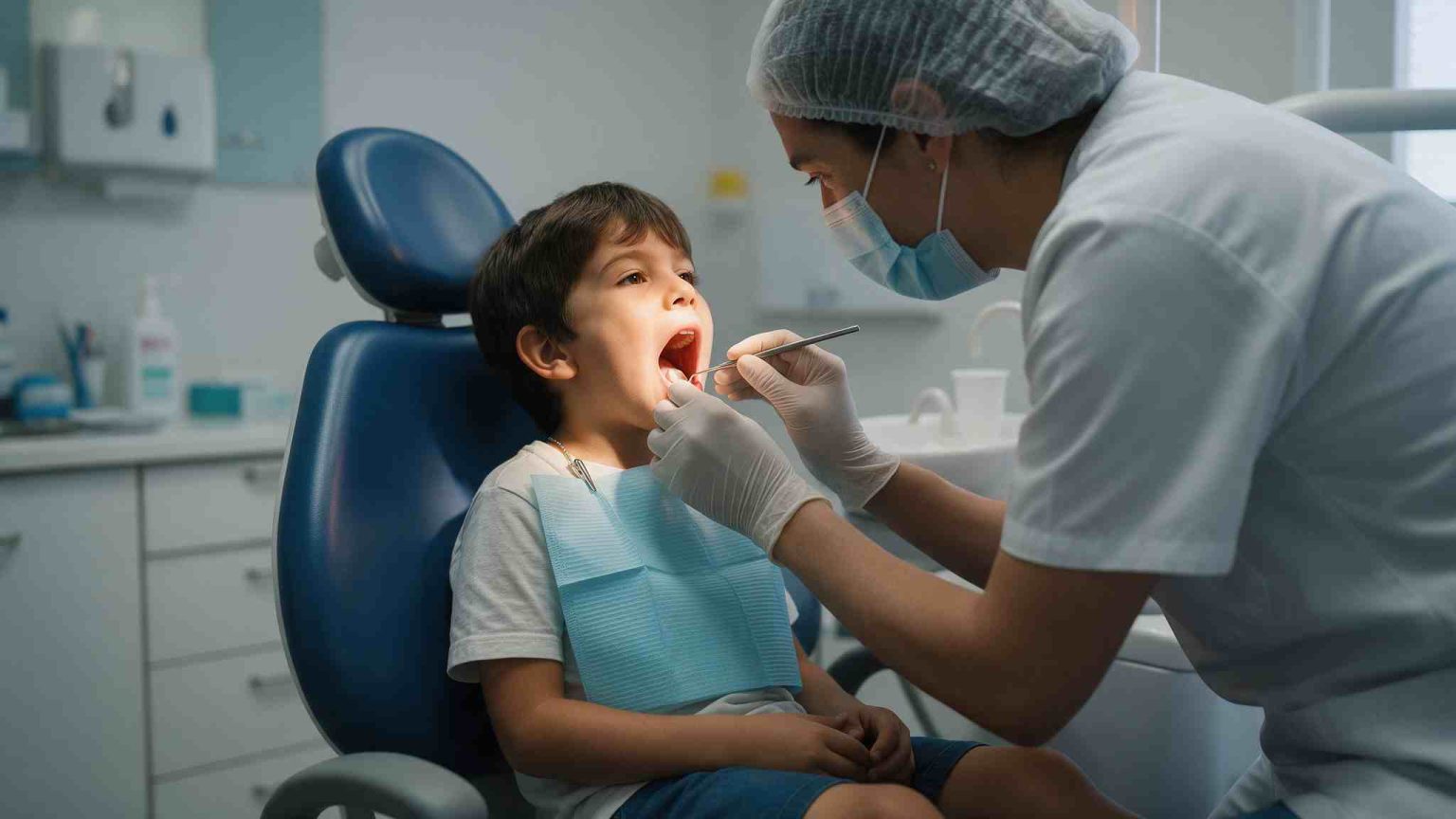
How is pain managed during children’s dental treatments?
The goal of a children’s dental consultation is for the child to feel comfortable before, during and after treatment.
When local anaesthesia is required, it is adapted according to factors such as the child’s age, weight and medical history.
To improve the experience:
- Topical anaesthetics may be applied before local anaesthesia.
- Communication techniques are used to reduce tension.
- Treatments can be organised in stages when the child needs more time to adapt.
- Appointments are adjusted to the patient’s ability to cooperate.
In specific situations, and always following a professional assessment, specific sedation techniques may be considered according to appropriate protocols.
How can you prepare a child for their first dental visit?
Family attitudes have a strong influence on how children experience their dental visit. Preparing naturally can help reduce uncertainty.
Some recommendations:
- Explain the visit using simple words and avoid transmitting fear.
- Turn preparation into a game, such as practising opening the mouth in front of a mirror.
- Choose a time when the child is rested.
- Bring an object that provides comfort if needed.
- Encourage and praise positive behaviour after the visit.
A child’s first dental experience can shape their relationship with the dentist for many years.
What are the benefits of early children’s dental care?
Taking children to the dentist from an early age helps prevent problems and makes it easier to detect any issues when they are still easier to treat.
The main benefits include:
- Reducing the risk of cavities through prevention and monitoring.
- Detecting problems with tooth eruption or bite development.
- Creating good oral hygiene habits.
- Avoiding more complex treatments in the future.
In addition, regular check-ups allow us to monitor dental development and make decisions at the right time.
How do you choose a safe dental clinic for children?
Choosing a clinic specialised in children’s dental care means considering both the team’s training and the way they treat young patients.
Important aspects include:
- Having a team with specific training in paediatric dental care.
- Clear sterilisation and safety protocols.
- Explaining treatments clearly to families.
- Having an environment adapted for children.
At ES Dental Clínic, we are committed to providing close and personalised care, where every child receives treatment adapted to their needs and families can ask questions and feel reassured.
Frequently asked questions about children’s dental safety
At what age should a child go to the dentist for the first time?
The first check-up can take place during the early years of life, especially once the first teeth begin to appear. The paediatric dentist will determine the appropriate timing for check-ups according to each child’s needs.
Do children’s dental treatments hurt?
Treatments are adapted to the child’s age and situation to minimise discomfort. When necessary, appropriate anaesthesia and pain management techniques are used.
Is it normal for a child to be afraid of the dentist?
Yes. It is a common reaction to an unfamiliar situation. Proper communication and adapted care help children gradually build confidence.
How often should children visit the dentist?
The frequency depends on the child’s risk of cavities, hygiene habits, dental development and individual needs. As a general reference, check-ups are usually scheduled every 6 or 12 months, although the interval should be adapted to each case.