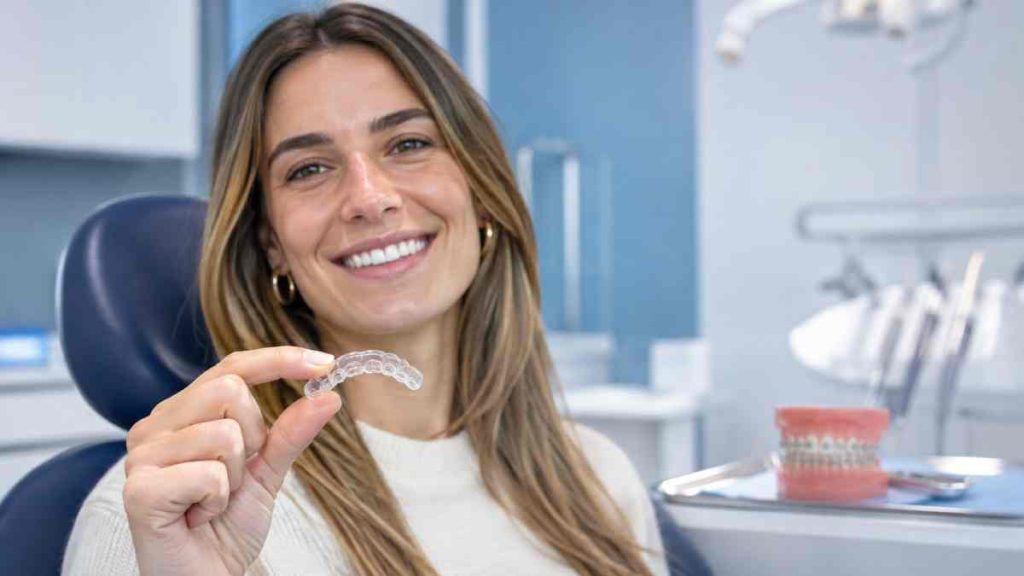
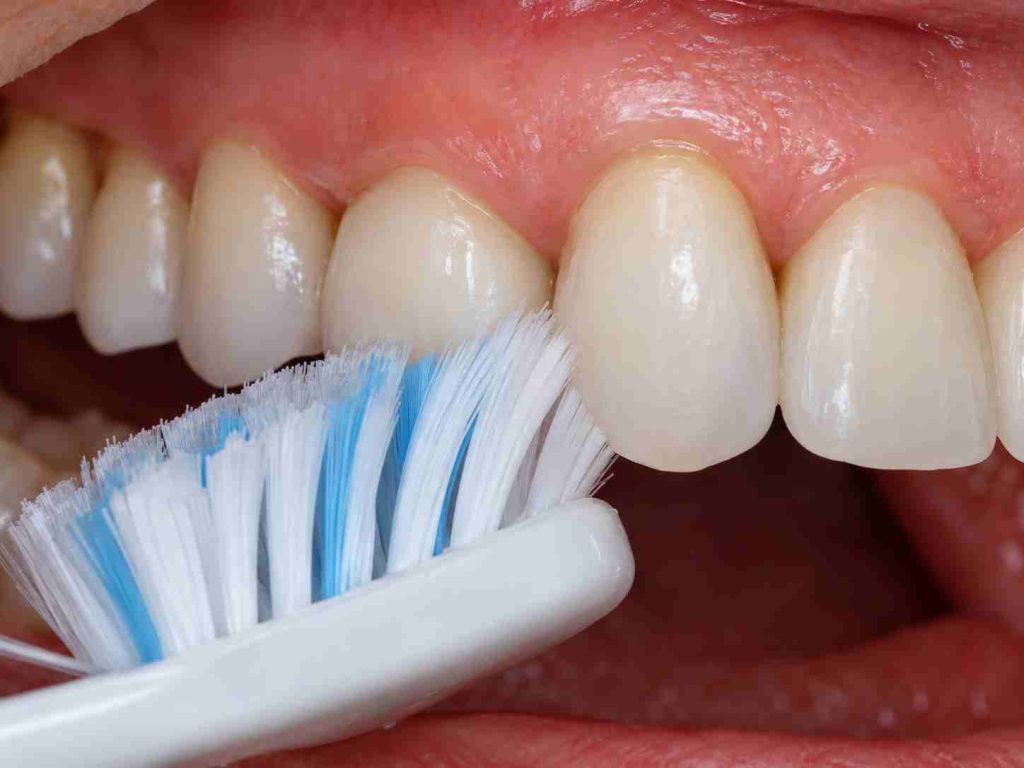

If you have dental implants, maintaining good oral hygiene is essential to keep them in good condition and protect the surrounding tissues. Although an implant cannot develop cavities like a natural tooth, bacterial plaque can accumulate around the gums and cause inflammation.
That is why daily cleaning and professional check-ups are an essential part of implant maintenance. With a proper routine, you can reduce the risk of problems such as peri-implant mucositis and peri-implantitis and detect any changes before they progress.
How to Clean Dental Implants at Home
Dental implant hygiene should combine toothbrushing and interdental cleaning. In some cases, your dentist may also recommend using a water flosser.
The aim is to remove plaque from around the crown and gums and, if you have implant-supported bridges or prostheses, to reach the areas underneath the restoration.
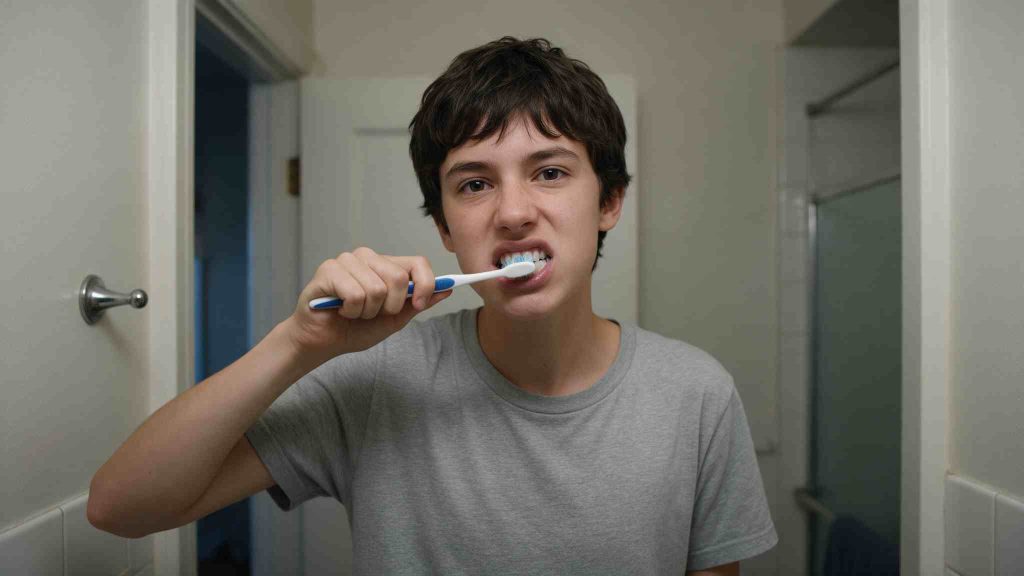
Brush Twice a Day
You can use a soft manual toothbrush or an electric toothbrush with a soft brush head. Use short, gentle movements, paying particular attention to the area where the crown meets the gum.
It is also advisable to use a low-abrasive toothpaste and avoid whitening products or powders that may be too harsh for certain prosthetic components.
Clean Between Your Teeth and Implants
Interdental cleaning should be performed daily. Interdental brushes help remove plaque from spaces that a conventional toothbrush cannot reach.
Size matters: a brush that is too small may not clean effectively, while one that is too large may damage the gums.
If you have an implant-supported bridge or prosthesis, Superfloss can help you reach underneath the restoration. A single-tuft toothbrush may also be useful around abutments and in hard-to-reach areas.
Is Using a Water Flosser Recommended?
A water flosser can be a useful addition to your routine, particularly around bridges or overdentures. It helps remove food debris and makes it easier to clean certain areas.
However, a water flosser does not replace brushing or interdental cleaning. Use it at low or medium pressure and follow your dentist’s instructions.
Which Mouthwash Can You Use?
Alcohol-free mouthwashes can be used for daily oral hygiene. Products containing cetylpyridinium chloride (CPC) may help control plaque.
Chlorhexidine should be reserved for specific situations and short periods, always following professional advice.
How to Clean an Implant-Supported Prosthesis
If you have an implant-supported overdenture, it is important to keep both the prosthesis and the areas of the mouth on which it rests clean.
The prosthesis should be removed and cleaned on the inside and outside. The components inside the mouth should also be cleaned with a soft toothbrush. Unless your specialist advises otherwise, the prosthesis should be stored clean and dry overnight.
For screw-retained bridges or prostheses, pay particular attention to the areas underneath the restoration.
What Problems Can Poor Implant Hygiene Cause?
Plaque accumulation around an implant can cause inflammation of the surrounding tissues.
Peri-implant mucositis mainly affects the gums and can usually be reversed if detected and treated early.
Peri-implantitis, on the other hand, can cause bone loss around the implant and requires more complex treatment and monitoring.
Other possible symptoms include bleeding, bad breath, discomfort or problems with the prosthesis.
How Often Should Dental Implants Be Checked?
The frequency depends on each patient, the type of prosthesis and individual risk factors. As a general guideline, during the first year after implant placement or restoration, check-ups may be recommended every 3–6 months.
Afterwards, appointments may be spaced 6–12 months apart if the condition remains stable.
More frequent check-ups may be necessary if:
- You have a history of periodontitis.
- You smoke.
- You have diabetes or another condition that may affect healing.
- Maintaining oral hygiene is difficult.
- You have long bridges, bars or overdentures.
- You have bruxism or excessive bite forces.

What Happens During a Professional Dental Implant Check-Up?
Professional implant maintenance involves more than just cleaning.
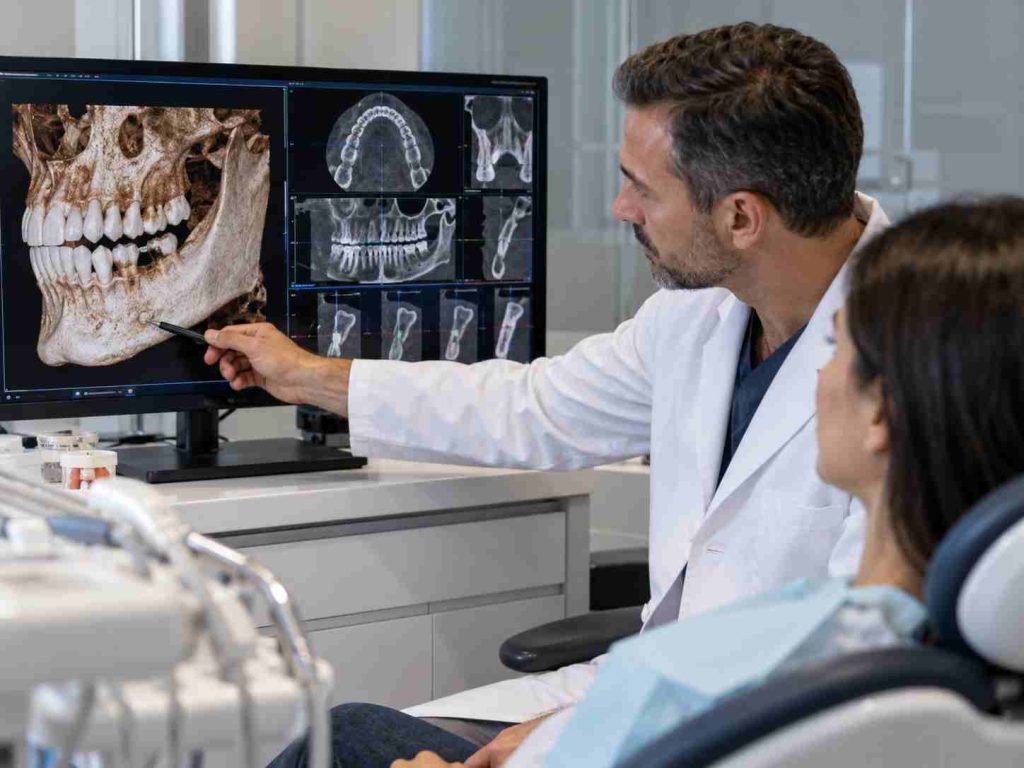
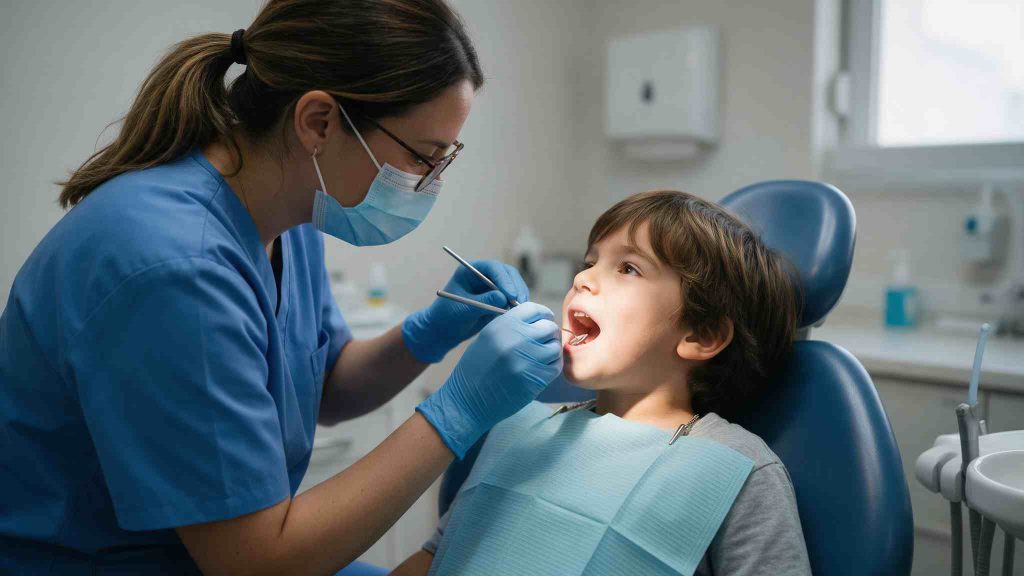
During a check-up, the dentist may assess the gums and tissues surrounding the implant, check for plaque and bleeding, and examine the condition of the prosthesis. Screws, bite alignment and possible fractures or leakage may also be checked.
When necessary, X-rays may be taken to assess the supporting bone.
Professional cleaning is adapted to the materials used in the implants and prostheses, using techniques and instruments compatible with these surfaces.
What Signs Mean You Should Visit the Dentist?
You should not wait until your next scheduled check-up if you notice any changes around an implant.
Contact your dentist if you experience:
- Bleeding when brushing that persists for several days.
- Pain or sensitivity when chewing.
- Discharge, an unpleasant taste or localised bad breath.
- Redness or swelling of the gums.
- Gum recession or exposure of part of the implant.
- Movement of the crown or abutment.
- Loosening or clicking sounds in a prosthesis.
A loose crown may, for example, be caused by a screw that needs checking. However, if you notice that the implant itself is moving, it is important to seek professional attention as soon as possible.
What Habits Help Dental Implants Last Longer?
In addition to daily hygiene and regular check-ups, certain habits can help maintain dental implants.
Avoid smoking, keep conditions such as diabetes under control and consult your dentist if you have bruxism to determine whether you need a night guard.
You should also avoid biting ice, bones or hard objects and using your teeth as tools, as these habits can damage the prosthesis or loosen its components.
Highly abrasive toothpastes and powders are also not recommended.
A Simple Routine to Care for Your Dental Implants
Looking after dental implants does not require a complicated routine, but it does require consistency.
In the morning, brush carefully and complete your oral hygiene routine according to the instructions you have received. In the evening, a more thorough routine is advisable, including brushing and interdental cleaning and, if recommended for your case, a water flosser.
You should also attend professional check-ups as often as your dentist recommends. This makes it possible to detect changes in the gums, prosthesis or supporting bone before they develop into more serious problems.
At ES Dental Clínic, we can help you establish an oral hygiene routine and maintenance schedule tailored to your implants and the type of prosthesis you have. If you notice bleeding, discomfort, movement or any other changes, book a dental check-up.
Frequently Asked Questions About Cleaning Dental Implants
Do Dental Implants Need to Be Cleaned Every Day?
Yes. Bacterial plaque can accumulate around dental implants, so daily oral hygiene through brushing and interdental cleaning is essential.
Can I Use an Electric Toothbrush If I Have Dental Implants?
Yes. You can use an electric or sonic toothbrush with a soft brush head, provided you use the correct technique and clean the area around the gums properly.
Does a Water Flosser Replace Dental Floss?
No. A water flosser can be a useful addition, particularly underneath bridges or around certain prostheses, but it does not replace brushing or interdental cleaning.
What Is the Best Dental Floss for Implants?
Superfloss, particularly when it includes a spongy section and a threader, can make cleaning underneath bridges and around abutments easier. Your dental professional can recommend the most suitable option and size for your needs.
Is It Normal for the Gums Around an Implant to Bleed?
Bleeding can be a sign of inflammation. If it persists after improving your oral hygiene for several days, it is advisable to arrange a check-up.
How Often Should I Have My Dental Implants Checked?
The frequency is adapted to each patient. During the first year, check-ups every 3–6 months may be necessary. Afterwards, appointments may be spaced 6–12 months apart depending on individual risk factors and implant condition.
What Should I Do If My Implant Crown Feels Loose?
Avoid chewing on that side and book an appointment as soon as possible. The problem may involve the screw or prosthesis, but it must be assessed by a dental professional.
Can Peri-Implantitis Be Prevented?
Good daily oral hygiene and professional check-ups help reduce the risk. Avoiding smoking and keeping certain conditions, such as diabetes, under control can also help protect the tissues surrounding the implant.