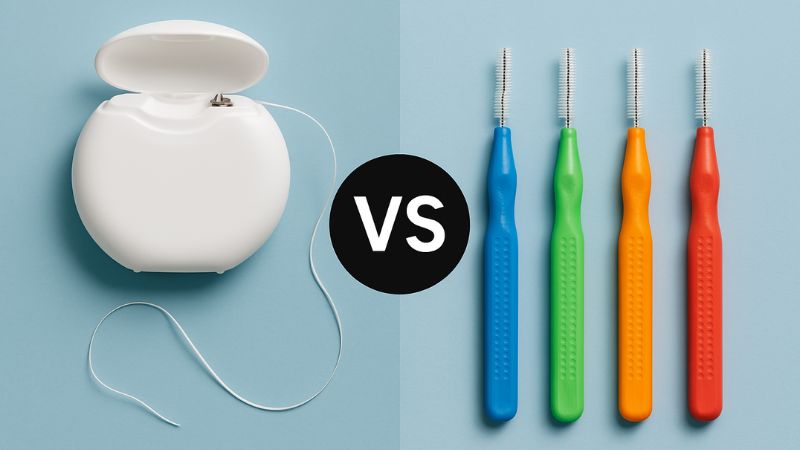

At our dental clinic, we understand that maintaining optimal oral hygiene is very important for your overall health. A common question among our patients is whether it’s more effective to use dental floss or interdental brushes to clean between teeth. Both methods are essential in a complete oral hygiene routine, but their effectiveness can vary depending on individual needs.
Dental floss and interdental brushes are tools designed to clean the areas between teeth that a regular toothbrush can’t reach. The choice between one or the other may depend on factors such as the size of the interdental spaces, the presence of orthodontic appliances, or ease of use. In this article from Es Dental Clinic , we explain in detail what they are, how to use them, and which one might be best suited to your specific situation.
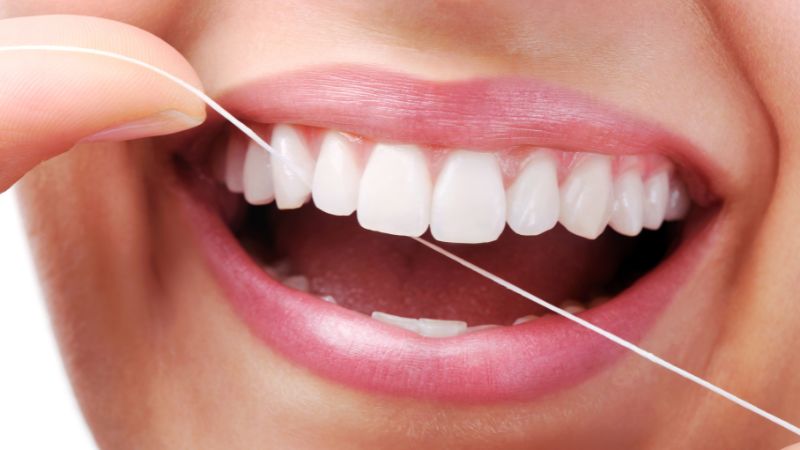
What is dental floss and how to use it correctly?
Dental floss is a thin strand, usually made of nylon or Teflon, designed to slide between teeth and remove plaque and food debris. Proper flossing is essential for preventing cavities and gum disease.
Steps to use dental floss correctly:
- Cutting the floss: Cut approximately 45 cm of dental floss and wrap it around your middle fingers, leaving about 5 cm of floss taut between your thumbs and index fingers.
- Insertion: Gently slide the floss between your teeth with a back-and-forth motion, avoiding forcing it in.
- C-shape: Once between the teeth, form a “C” shape around each tooth and slide the floss up and down, cleaning also below the gum line.
- Repetition: Use a clean section of floss for each interdental space, repeating the process on all teeth.
It is recommended to use dental floss at least once a day, preferably before brushing at night, to remove plaque accumulated during the day. Proper technique ensures effective cleaning and prevents potential damage to the gums.
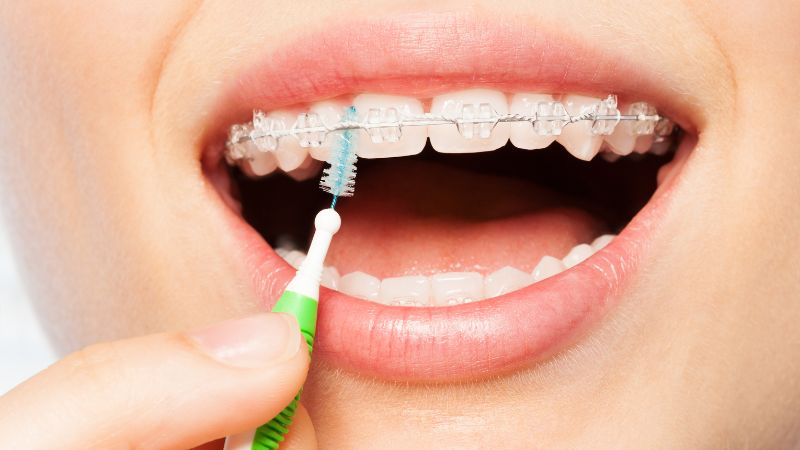
What are interdental brushes and how are they used?
Interdental brushes are small brushes with cylindrical or conical heads, designed to clean the spaces between teeth. They are available in various sizes to fit different interdental space widths.
Instructions for using interdental brushes:
- Size selection: Choose a brush that fits comfortably in the space between your teeth. If you are unsure, consult your dentist for a personalized recommendation.
- Insertion: Gently insert the brush between your teeth, making sure the brush head covers the entire interdental space.
- Movement: Move the brush back and forth several times to remove plaque and food debris.
- Thorough cleaning: Repeat the process in all interdental spaces, using the appropriate brush size for each one.
Interdental brushes are especially useful for people with braces, bridges, implants , or wider spaces between their teeth. They are also easy to use and can be more effective than dental floss in some cases.
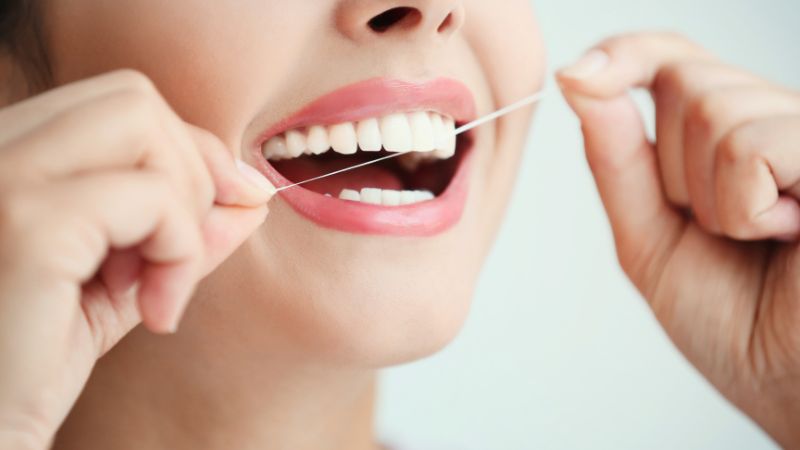
Flossing before or after brushing: What is recommended?
The sequence in which dental floss and brushing are used can influence the effectiveness of oral hygiene.
Use dental floss before brushing:
- Benefits: Removes most plaque and food debris between teeth, allowing subsequent brushing to effectively remove the released bacteria.
- Recommendation: This sequence is especially useful at night, before going to sleep, when saliva production decreases and bacteria can proliferate more easily.
Use dental floss after brushing:
- Benefits: It allows the initial brushing to remove larger food debris, making it easier for dental floss to clean interdental spaces more effectively.
- Recommendation: This option may be preferred by those who find it more comfortable to use the thread after brushing.
The key is to incorporate both steps into your daily routine, regardless of the order, to ensure a thorough clean.
The importance of using dental floss in your oral hygiene routine
Flossing is essential for complete oral hygiene, as the toothbrush cannot reach all interdental areas.
Benefits of dental floss:
- Cavity prevention: Removes plaque and food debris between teeth, reducing the risk of cavities in these areas.
- Gum health: Prevents periodontal disease by reducing gum inflammation and bleeding.
- Fresh breath: Reduces bad breath-causing bacteria present in interdental spaces.
Incorporating flossing into your daily routine demonstrates a commitment to your oral and overall health.
Frequency of flossing: How many times a day is it necessary to use it?
The frequency of flossing can vary depending on individual needs.
General recommendations:
- Once a day: Most experts suggest flossing at least once a day, preferably at night, to remove plaque that has accumulated during the day. This is sufficient for most people, as flossing helps remove food debris and plaque from areas that a toothbrush can’t reach. This regular practice significantly contributes to the prevention of cavities and gum disease.
- Increased frequency: Some people, such as those with braces or bridges, may need to floss more often to ensure that hard-to-reach areas stay clean. In these cases, dentists may recommend flossing twice a day, depending on the amount of plaque and food debris that accumulates.
It’s important to remember that the quality of your cleaning is more important than the frequency. Make sure you use the proper technique when flossing so you can effectively remove plaque and food debris without damaging your gums.
Both dental floss and interdental brushes are valuable tools in your oral hygiene routine, but each has its own advantages. The choice between floss and interdental brushes depends on the individual characteristics of your mouth, such as the size of the spaces between your teeth and whether you have braces or implants.
For those with smaller spaces, flossing may be the ideal option, while interdental brushes are more effective in cases with larger spaces or for those who wear braces. Remember that, regardless of the method you choose, the key is to use the correct technique and be consistent , as combining both methods can provide a more thorough and effective oral cleaning.
At Es Dental Clinic , we are committed to providing you with the information you need to make informed decisions about your dental health. If you have any questions about which tool is best for you, please don’t hesitate to visit our clinic in Barberà del Vallès. Our team of experts in orthodontics , periodontics , and general dentistry will be happy to help you improve your oral health.