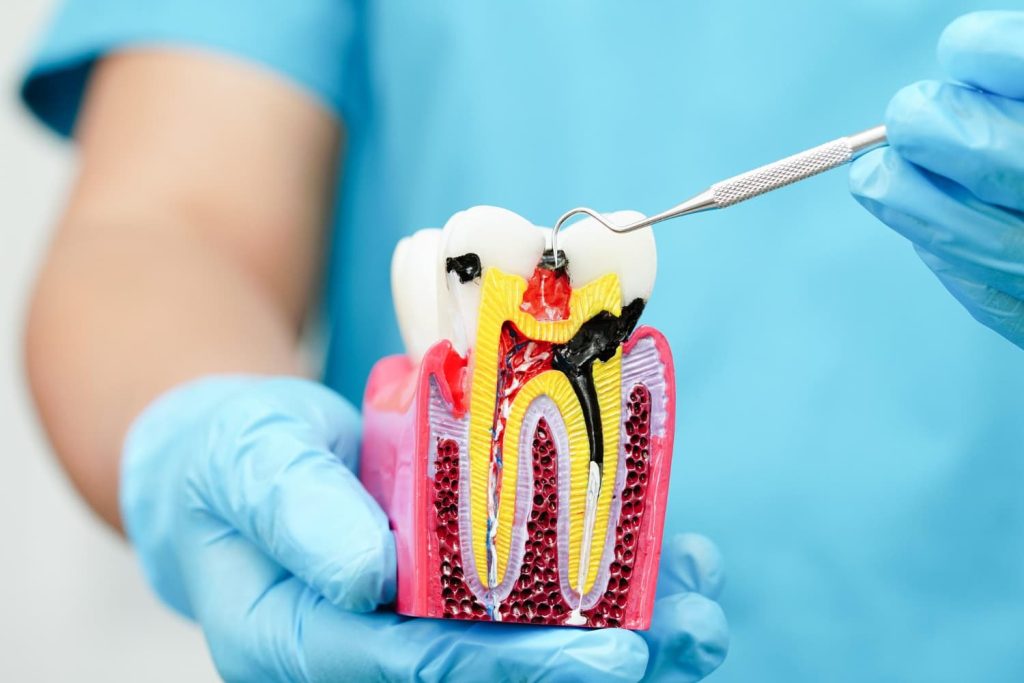

Dental implants are one of the best solutions for restoring missing teeth, offering stability, functionality and aesthetics.
In this article, we explain everything you need to know about the benefits of dental implants and the step-by-step process for placing them.
What are dental implants?
A dental implant is a device inserted into the jawbone to replace the root of a missing tooth. It is a modern, durable, and functional solution for restoring your smile and chewing ability.
Why choose a dental implant?
Dental implants not only restore the appearance of your smile, but also offer functional and aesthetic benefits. Unlike traditional dentures or bridges, implants provide a stable foundation that improves chewing ability, speech, and, most importantly, prevents bone loss that occurs after tooth loss.
Benefits of dental implants
1. Durable and stable solution
Dental implants integrate seamlessly with the jawbone through a process known as osseointegration. This integration ensures a solid and permanent foundation for replacing missing teeth, improving both the stability and functionality of the mouth. Furthermore, modern techniques such as guided surgery allow for more precise placement, reducing errors and extending the lifespan of the treatment.
2. Aesthetic and functional improvement
Dental implants not only restore the natural appearance of teeth but also fully restore their functionality. This allows you to chew and speak normally, without the discomfort often associated with removable dentures. Implants provide dental stability without compromising facial aesthetics.
3. Preservation of bone and oral health
One of the great advantages of dental implants is that they help prevent bone loss that occurs when a tooth is missing. By replacing the root of the missing tooth, the implant stimulates the jawbone, which helps maintain facial structure and prevent bone retraction. This property is unique to implants, as traditional dentures do not achieve this effect.
How is a dental implant placed? The step-by-step process
The dental implant placement process consists of several steps, performed under expert supervision to ensure the best results. At ES Dental Clinic, we use guided surgery, a precise, safe, and minimally invasive digital technique.
1. Initial assessment
Before implant placement, we perform a comprehensive evaluation of your oral health, including X-rays and a bone density analysis. If insufficient bone is detected, we may recommend a bone graft to strengthen the base before implant placement.
2. Implant placement
During the procedure, the implant is placed in the jawbone at the appropriate location. The surgery is performed under local anesthesia to ensure the patient’s comfort and pain-free experience. Guided surgery allows for precise placement, minimizing risks and optimizing results.
3. Healing phase
Once the implant is placed, a process called osseointegration begins, which lasts between 3 and 6 months. During this phase, the implant fuses with the jawbone, ensuring a solid foundation for the restored teeth.
4. Placement of the crown or prosthesis
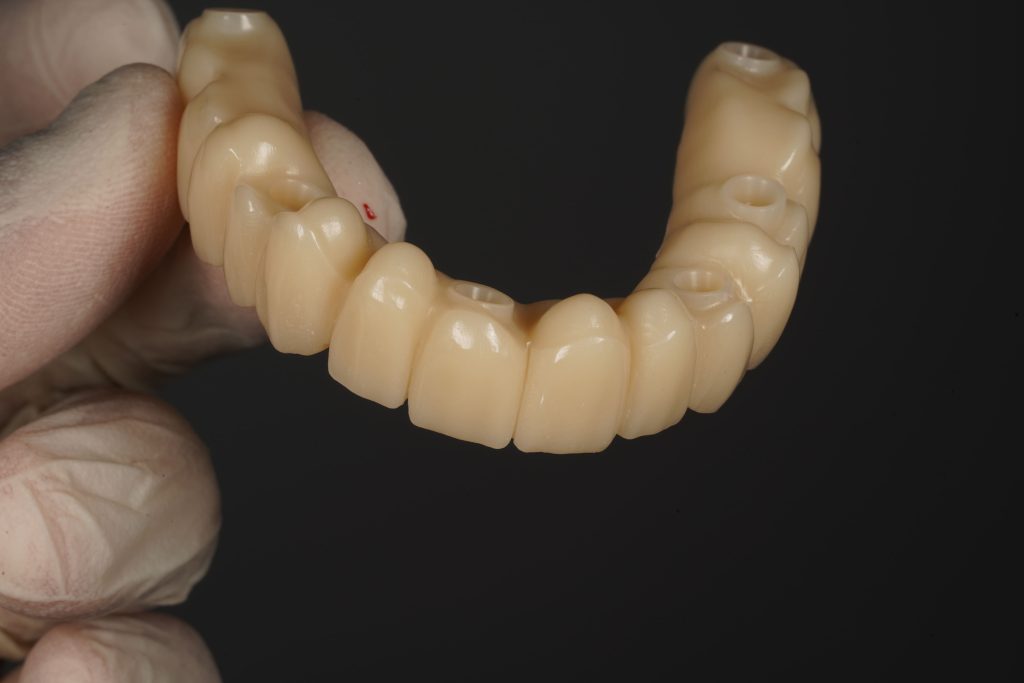
Once the implant has fully integrated with the bone, a custom dental crown is placed on the implant. This crown is the visible part of the implant and is manufactured to match the color and shape of the natural teeth, providing a natural appearance.
Are dental implants painful?
In general, the process of placing a dental implant is not painful thanks to the local anesthetic used. Most patients experience slight discomfort or swelling after the procedure, but these effects are temporary and disappear within a few days.
How long does dental implant treatment take?
The complete dental implant treatment, from placement to crown placement, can take between 4 and 6 months, depending on the case. If a bone graft is required beforehand, the process may take a little longer.
Are dental implants suitable for everyone?
Although dental implants are suitable for most people, there are some factors that can influence their suitability, such as:
- General health: It is important that the patient is healthy and does not have serious illnesses that affect the ability to heal.
- Bone quantity: If the jawbone is not sufficient, a bone graft can be performed to prepare the area before placing the implant.
- Habits: People who smoke excessively or have unhealthy habits may face complications, so it is important to discuss this with your dentist.
How long do dental implants last?
Dental implants are designed to be a permanent solution. With proper care, including good oral hygiene and regular dental checkups, implants can last a lifetime. The crowns placed on the implants may need replacing after 10-15 years, depending on wear and tear.
Can I eat normally with dental implants?
Yes, once the implant is fully integrated with the bone, you’ll be able to eat normally, without restrictions. Implants provide the same functionality as natural teeth, allowing you to enjoy your favorite foods without any problems.
Dental implants: a long-lasting and functional solution for your smile
Dental implants are one of the best options for restoring the functionality of your mouth and achieving a natural, aesthetically pleasing smile. Thanks to advanced techniques such as guided surgery, this treatment has become more precise, safer, and less invasive, offering excellent long-term results.
If you are considering dental implants as an option, it is important to consult with a specialist dentist to determine the best solution for your case.