
Have you ever felt that, despite brushing daily, your teeth aren’t as clean as you’d like? It’s a more common thought than you might think. Many people don’t realize that simply moving the brush from side to side isn’t enough; there’s a specific technique to reach every corner of your mouth .
So, if you’ve ever wondered whether you’re brushing your teeth correctly, we invite you to read this step-by-step guide to the end. It will help you discover the key points for brushing your teeth properly and maintaining a healthy smile.
At our dental clinic in Barberá del Vallés , we provide a very useful step-by-step guide on how to brush your teeth in the most appropriate way to prevent cavities and other oral diseases, and above all, what you should do if you have braces .
However, beyond the professional treatments we can offer, we know that daily home care is essential to prolong the results and ensure good oral hygiene. That’s precisely why it’s vital to know in detail how to brush your teeth correctly and apply these tips regularly.
You’ll also find guidance on the best time to brush your teeth, so you can get the most benefit from your daily hygiene routine. We assure you that by the end of this article you’ll have a more complete and practical understanding of how to make your brushing truly effective .
Why should you brush your teeth?
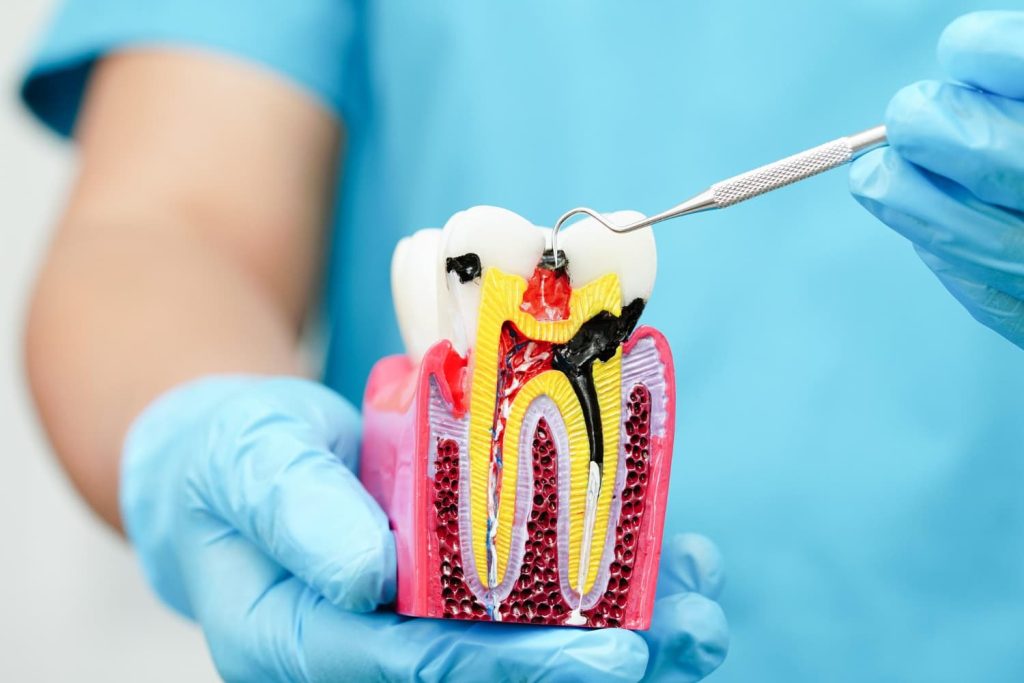
First and foremost, brushing your teeth properly is our primary defense against plaque buildup. This plaque constantly forms on the surface of our teeth and gums , feeding on food debris and the sugars we consume.
Over time, if not removed, plaque can harden into tartar and lead to cavities, gingivitis , and even more serious periodontal diseases. That’s why brushing is such an important part of your personal care routine.
Furthermore, proper brushing helps prevent bad breath, as it eliminates the bacteria that cause halitosis and ensures a prolonged feeling of freshness. From an aesthetic perspective, having clean, plaque-free teeth helps maintain a natural color, preventing unsightly stains caused by certain foods, drinks, or habits like smoking.
We always recommend a comprehensive approach , combining a good home routine with regular check-ups in the office, to ensure a healthy and pleasant smile.
How often should you brush your teeth?
There are several myths surrounding the frequency of brushing . Some people believe that brushing twice a day is more than enough, while others brush after every meal, sometimes even more than three times a day.
Our advice, based on professional experience, is to brush your teeth at least twice a day (morning and evening) and, if possible, a third time after lunch. However, there’s no magic number that works for everyone; what’s important is the quality of the brushing and long-term consistency.
However, brushing more than four times a day could be counterproductive , especially if you apply too much force or use improper techniques, because you could wear down the enamel or damage your gums.
When it comes to brushing your teeth correctly , it is preferable to focus on the technique, dedicate the necessary time (about two minutes) and use quality products that promote hygiene without harming the integrity of the enamel.

What type of toothbrush should you use?
Choosing the right type of toothbrush is another key to effective brushing. Today, we have a wide variety available: manual, electric, with soft, medium, or hard bristles, different shaped brush heads, and more.
A soft or medium bristle toothbrush is usually the most recommended by most professionals, as it cleans thoroughly without damaging the enamel or irritating the gums. If you have sensitive teeth or are undergoing periodontal treatment, it’s best to opt for soft or ultra-soft bristles to avoid discomfort and protect the area.
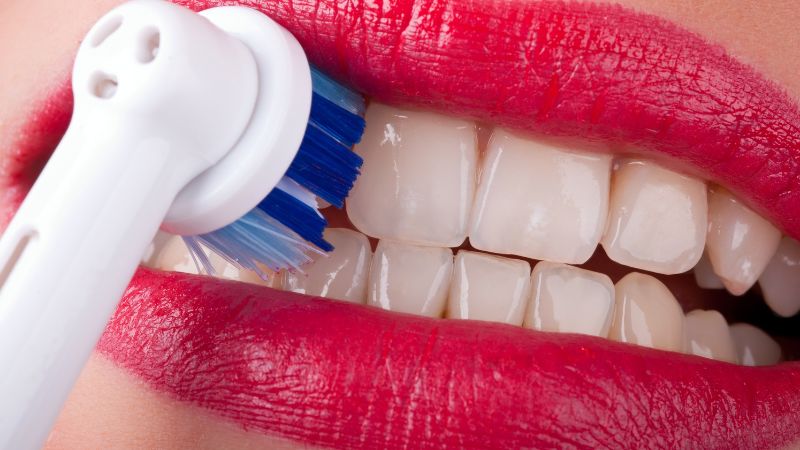
As for electric toothbrushes , they can be very useful if someone has difficulty achieving the proper technique with a manual toothbrush, or if they want a more even brushing. They usually have pressure sensors to prevent brushing too hard and timers to ensure the recommended brushing time.
However, if you prefer a manual toothbrush , don’t worry: both can be equally effective if used correctly. The type of brush is a matter of personal preference and specific needs, always under the guidance of your dentist.
How to brush your teeth with braces?
When starting orthodontic treatment with braces , your brushing routine requires some important adjustments, as the braces create additional surfaces where food and plaque can accumulate. Therefore, it’s vital to be extra diligent with oral hygiene to prevent cavities and gum inflammation.
One way to do this is by using interproximal brushes , designed to clean the spaces between the archwires and the brackets, removing any food debris that a regular toothbrush can’t reach. Orthodontic floss is also recommended , allowing you to pass the floss under the archwires without damaging the brackets .
Another recommendation is to brush each tooth separately , paying special attention to the area where the bracket attaches to the enamel, as well as the gum line. Keep the brush head at a 45-degree angle and make gentle but thorough movements, spending a little more time at the end of each row of teeth.
When we plan orthodontic treatment, we also give clear and personalized instructions on how to brush your teeth correctly during this process, and we recommend regular check-ups to ensure good hygiene and proper appliance maintenance.
When is the best time to brush your teeth?
One of the aspects that often causes confusion is the ideal time to brush your teeth after each meal. It’s tempting to do it immediately, especially if you’ve consumed foods high in acids or sugars.
However, it’s best to wait at least 20 or 30 minutes before brushing to give saliva time to neutralize the acids in your mouth. This way, you avoid rubbing against the enamel while it’s still weakened, thus reducing the risk of tooth wear.
On the other hand, it’s important to be consistent and maintain a routine that meets your daily oral hygiene needs. Brushing in the morning is essential to remove bacteria that accumulate overnight. At night, brushing is even more important, as it removes residue from the entire day and prevents bacterial growth while you sleep.
By adding an extra brushing after lunch , you ensure you keep germs that cling to your teeth after main meals at bay. Sticking to this schedule and waiting between meals will help you brush your teeth properly without damaging the enamel.
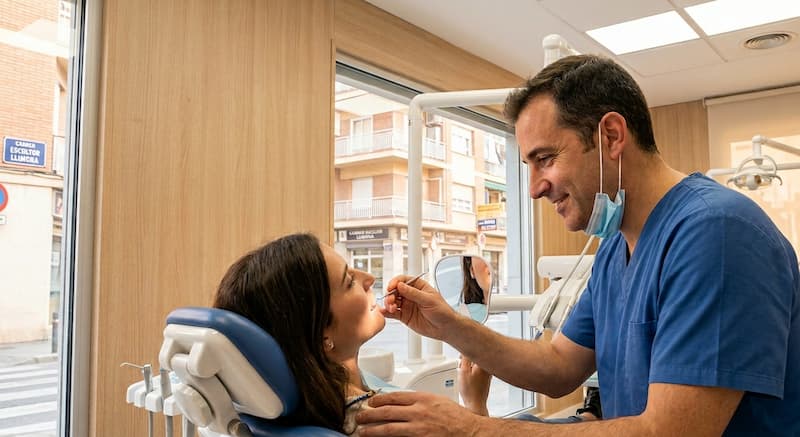
At Es Dental Clinic , we strive every day to help you achieve optimal oral health , combining our expertise in orthodontics, endodontics , periodontics, and oral surgery with a friendly and personalized approach. Our goal is for your smile to reflect not only beauty, but also well-being and confidence .
Remember that brushing your teeth correctly is the foundation of all care: by adopting the appropriate technique and choosing the right type of brush , you will ensure that the cleaning is effective and gentle on your gums.
In addition to your routine at home, don’t forget the importance of having check-ups as frequently as recommended : the dentist can detect problems in early stages , when it is still possible to resolve them with minimally invasive procedures and at lower costs .
Our philosophy is to provide you with the best dental care , always tailored to your needs and circumstances. We hope this guide motivates you to review your daily routine and implement it to benefit your oral health. If you have any questions or require more specific attention, we would be delighted to welcome you to our clinic in Barberà del Vallès for comprehensive and professional advice.