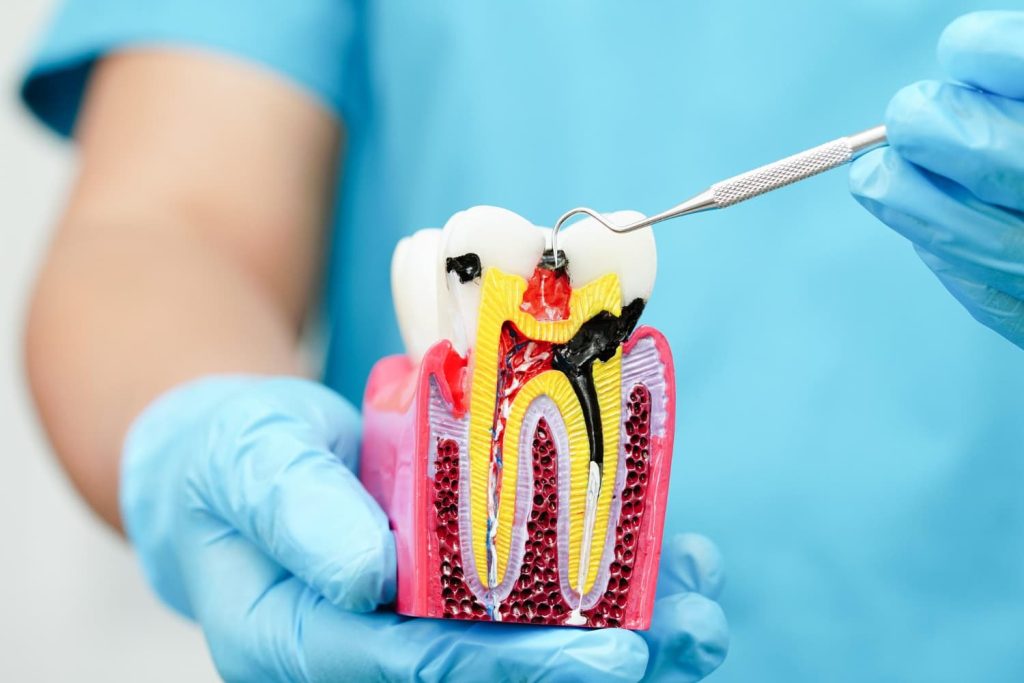

Have you ever felt your gums were more sensitive than usual, but didn’t think much of it? Maybe you thought that the slight bleeding while brushing was just from brushing too hard or using a hard-bristled brush. The truth is, these little warnings are your mouth’s way of trying to get your attention before things get worse: yes, we’re talking about gingivitis.
It may seem unbelievable, but gingivitis raises a lot of questions. When is a symptom cause for concern? Can it be avoided without major complications? It’s easy to fall into the trap of thinking, “It won’t happen to me,” but believe me, gingivitis can become a real headache if you let it progress. So, if you want your smile to continue shining brightly and healthily, here’s everything you need to know so you’re not caught off guard.
What are the early signs of gingivitis?
Your mouth often gives you warning before things get complicated. Gingivitis, that unwelcome guest, arrives quietly and is very clever at staying.
- Changes in your gums : Do you notice your gums are redder, more swollen, or uncomfortable when eating or brushing? Sometimes it seems like a minor detail, but it’s a sign of inflammation that can affect your daily life if not addressed promptly. Healthy gums should be a pale pink color and firm, not shiny or inflamed.
- Occasional bleeding… or something more? That little bleed when you floss or brush, however slight, is a sign that needs attention. It’s a common mistake to normalize bleeding. It’s usually caused by plaque, an accumulation of germs that needs to be controlled urgently.
- Unexplained sensitivity : Are you more bothered by cold or heat than usual? Sometimes we think it’s the fault of the tooth enamel, but gums affected by gingivitis can be the culprit behind that uncomfortable sensation when eating or drinking.
Why is proper oral hygiene so important?
The difference between a healthy mouth and one that suffers often lies in the small, everyday habits. A simple cleaning routine, I assure you, is the best protection against problems no one wants to face.
- A barrier against plaque and tartar. Bacterial plaque accumulates every day. If you don’t remove it by brushing, it will harden into tartar, which can only be removed by a professional at the dental clinic. It’s a cycle that repeats itself if we aren’t consistent.
- Simple routine, real results. It’s that simple: brush at least twice a day, floss, and if you want to go the extra mile, add a mouthwash. If you’re one of those people who always forget to floss… that’s usually where the problem starts.
- Beware of “miracle” products. There are no shortcuts or fads that work. Consistency always wins. Buying a special toothpaste or using a viral mouthwash won’t get rid of the disease. If you don’t have the right habits, gingivitis will find its way in.
What are the effective brushing and flossing techniques?
It’s not about strength, it’s about technique! You can spend a long time brushing, but if the movement isn’t correct, preventing gingivitis becomes more difficult.
How to brush efficiently
- Choose a soft-bristled toothbrush (hard bristles can damage enamel and gums).
- Place the brush at a 45° angle to the gum.
- Use short, gentle movements, up and down or in circles. Avoid aggressive side-to-side rubbing.
- Don’t forget your tongue and palate, where bacteria also accumulate.
A word of advice: Clenching too hard will only damage your gums and cause gum recession. Gentleness is key here.
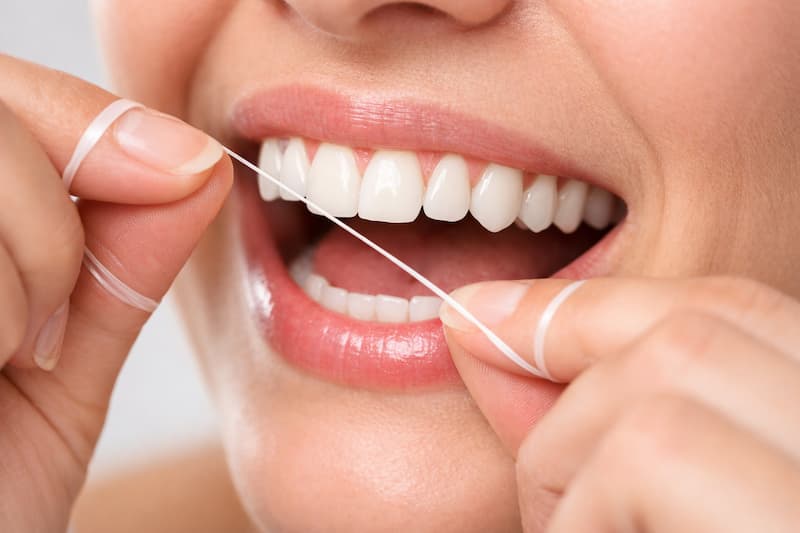
The art of flossing
Dental floss is an essential complement to a complete cleaning. A toothbrush only reaches 60% of the tooth surface.
- Take about 40-50 cm of yarn and wrap it around your middle fingers.
- Slide it carefully between your teeth, without hitting your gums.
- Circle each “C” shaped tooth and sweep the base, going up and down.
Extra accessories that add value: If you have braces, bridges, or small gaps between your teeth, interproximal brushes or oral irrigators are your best allies. They help you reach where a traditional toothbrush and floss can’t.
How does diet influence gum health?
Cleanliness is essential, but what you eat also writes the story of your oral health.
- Your diet speaks volumes about your gums. Besides helping you feel good, vitamins C and D are essential for healthy gums. Fresh fruits, vegetables, and dairy products (or fortified alternatives) help maintain strong defenses.
- Sugar: that silent enemy. Snacking on sweets or refined carbohydrates several times a day is like inviting bacteria to a party in your mouth. Sugar is their favorite food, and it produces acids that irritate the gums.
- Water is always beneficial. Drinking water not only hydrates you, but it also washes away food particles and bacteria that tend to linger in your mouth. It’s a constant, natural cleaning process.
Why is regular dental visits essential for early detection?
We often wait until we’re in pain to go to the dentist, but our gums appreciate a different approach. When it comes to prevention, it’s best not to improvise.
- Check-up, diagnosis, and prevention. At each visit, the dentist checks your gums for signs of inflammation, periodontal pockets, or bleeding that you might not see at home. It’s the best way to act early.
- Professional cleaning: that invisible extra touch. Professional cleanings remove the accumulated tartar that daily brushing can’t eliminate. And when necessary, scaling and root planing is the recommended treatment to stop the problem.
- The difference a good professional makes. At clinics like ES Dental Clinic, we care about both health and education: we explain how to keep your mouth in shape after leaving the office, offering a truly preventative approach.
How do smoking and alcohol affect your gums?
On this topic, there is not much discussion: smoking and alcohol abuse are declared enemies of the gums.
- Smoking and a weakened immune system. Tobacco smoke reduces blood flow to the gums, masking symptoms like bleeding and allowing infection to progress silently. It also weakens the mouth’s immune response.
- Alcohol, dryness, and imbalance. Excessive alcohol causes dry mouth (xerostomia) and disrupts the natural balance of the oral flora, helping harmful bacteria to proliferate.
- The damage is visible in the mirror. Smokers are at much greater risk of developing severe periodontitis from gingivitis. The gums appear receding and often dark in color.
What preventative treatments and professional cleanings are available?
When gingivitis is already advanced, home cleaning is not enough.
- Professional dental cleaning: removal of supragingival plaque and tartar (above the gum line).
- Scaling and root planing: If periodontal pockets already exist, the area under the gum is cleaned to remove toxins and smooth the tooth root.
- Specific treatments: antiseptic rinses or antibacterial gels, always under the dentist’s prescription.
- Follow-up with a periodontist: The periodontist is the gum specialist. If gingivitis does not improve with basic treatments, an evaluation is essential to prevent more serious problems.
How to maintain healthy gums in the long term?
The real key lies in everyday life. Before resorting to complex treatments, you can invest just a few minutes in taking care of your smile.
Habits that work
- Daily hygiene with brush, floss and fluoridated toothpaste.
- A varied and nutrient-rich diet.
- Regular visits to the dentist (every 6 months or as indicated).
Taking care of your mouth daily can make a difference in the long run. It’s not about becoming obsessive, but about being aware that oral health is an essential part of your overall well-being.
Is there a relationship between gingivitis and other systemic diseases?
It’s sometimes hard to imagine, but gingivitis isn’t just about the gums. It goes much deeper than that.
- Gums and body: much more than neighbors. The mouth is the gateway to the body. An active gum infection can release bacteria and inflammatory substances into the bloodstream.
- Domino effect. People with periodontal disease have a higher risk of developing complications in other areas. That’s why oral health care isn’t just about aesthetics, but about overall well-being.
When should you seek urgent dental care?
There are times when gingivitis (or its progression to periodontitis) shows its worst side. And then, postponing the appointment is not an option.
Warning signs
- Spontaneous or very heavy bleeding.
- Acute pain or abscesses (pimples with pus).
- Tooth mobility (loose teeth).
- Persistent bad breath that does not improve with hygiene.
Prevention is better than cure… As soon as you notice any of these symptoms, make an appointment immediately. Ignoring it can lead to tooth loss.
Final tips for your daily life
Gingivitis may seem insignificant at first, but if left untreated, it can cause many problems. Paying attention to the symptoms and maintaining good oral hygiene is the best decision you can make for your health.
Dedicate a few minutes each day to your oral hygiene, visit your trusted dentist, and if it’s at ES Dental Clinic , even better. That way, you can talk, laugh, and enjoy life knowing that your smile is, without a doubt, your best asset.
Frequently asked questions about gingivitis
Does bleeding gums always indicate gingivitis?
Not always, but it’s the most common sign. It can also be due to very aggressive brushing or hormonal changes, but if it happens more than once, consult your dentist.
Can I reverse gingivitis just by brushing?
In its initial stages, excellent hygiene can reverse it. But it’s crucial that a professional assesses whether there is accumulated tartar that needs to be removed.
Does mouthwash replace dental floss?
Absolutely not. Flossing physically removes plaque between your teeth; rinsing only complements the cleaning process. There’s no excuse not to use it.