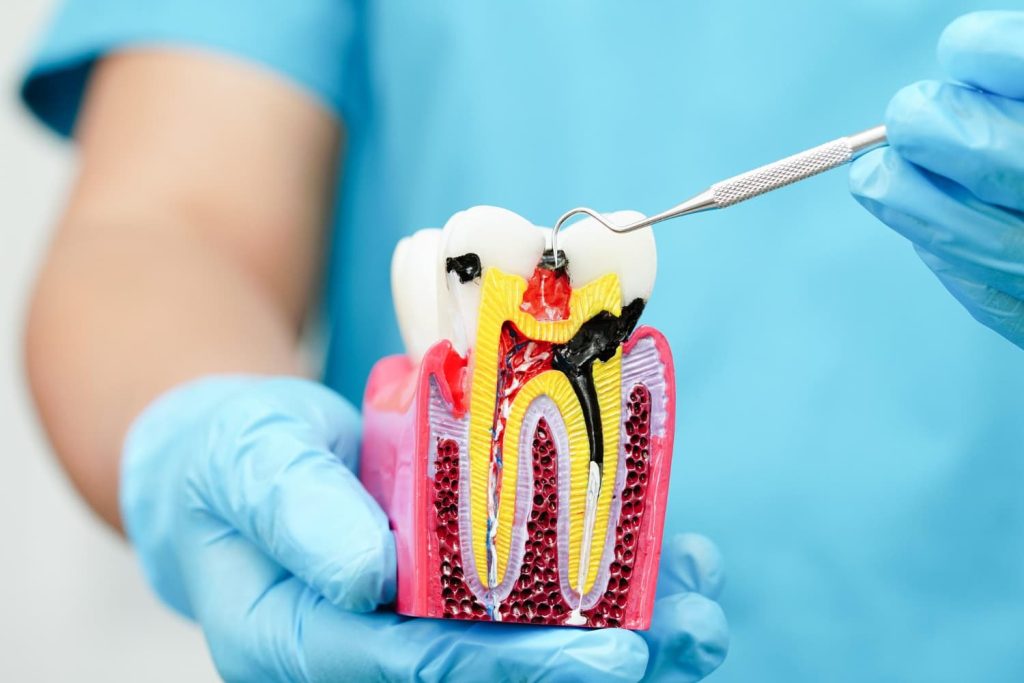


Mouthwash is an effective complement to daily dental hygiene, but not all mouthwashes are created equal. Depending on your oral health, it’s important to choose the right type for best results.
Today, we’re going to give you some clues so you can see which one is right for you.
What is mouthwash and why is it important?
Mouthwash is a liquid used to clean the mouth, freshen breath, and, in some cases, treat gum disease or prevent cavities. While brushing and flossing are essential for proper oral hygiene, mouthwash can be an additional tool that improves dental health and addresses specific problems.
General benefits of mouthwashes
- Elimination of bacteria: Mouth rinses help to eliminate bacteria and plaque that are not completely removed by brushing.
- Reduction of bad breath: Some mouthwashes are specifically formulated to combat bad breath, providing freshness.
- Disease prevention: Depending on their composition, they can help prevent problems such as cavities, gingivitis, and oral infections.
Types of mouthwashes according to need
1. Antiseptic mouthwashes
Antiseptic mouthwashes are formulated to fight bacteria that cause plaque, gingivitis, and other oral problems. They are ideal if you have inflamed gums, bleeding gums, or simply want to maintain a cleaner mouth.
When to choose it?
- If you have gingivitis or inflamed gums.
- For people who want to prevent plaque buildup.
- If you need a treatment for persistent bad breath.
Key ingredients:
- Chlorhexidine: It is one of the most common antibacterial agents in antiseptic mouth rinses, effective in reducing oral bacteria.
- Alcohol: Some mouthwashes use alcohol to eliminate bacteria, although alcohol-free mouthwashes are available for those looking for a less irritating option.
2. Mouthwashes for sensitive teeth
People with sensitive teeth often experience pain or discomfort when consuming cold, hot, or sweet foods. Mouthwashes formulated for sensitive teeth help reduce tooth sensitivity by blocking the channels in the teeth that transmit pain signals.
When to choose it?
- If you feel pain when eating or drinking hot or cold foods and beverages.
- For those who have teeth with enamel wear.
- Ideal for patients who have undergone teeth whitening treatments .
Key ingredients:
- Fluoride: Helps strengthen tooth enamel and prevent future sensitivities.
- Potassium nitrate: Reduces sensitivity by blocking the nerves in the teeth.
3. Mouthwashes for teeth whitening
Teeth whitening mouthwashes are formulated with ingredients that help remove surface stains and restore shine to teeth. While they don’t produce the same effect as professional whitening treatments, they are useful as a complement.
When to choose it?
- If you want to keep your teeth whiter and fresher.
- For people with superficial stains caused by the consumption of coffee, tea or tobacco.
Key ingredients:
- Hydrogen peroxide or carbamide peroxide: They help to whiten tooth enamel.
- Xylitol: This component not only fights plaque, but also helps prevent staining.
4. Mouthwashes for bad breath
Bad breath, or halitosis, is a common problem that can be caused by various reasons, such as bacterial buildup, poor hygiene, or digestive issues. Mouthwashes formulated to combat bad breath are designed to eliminate bacteria and sulfur compounds that cause unpleasant odors.
When to choose it?
- If you suffer from persistent bad breath.
- To improve the freshness of your breath throughout the day.
- If you have a dry mouth that contributes to bad breath.
Key ingredients:
- Essential oils of mint or eucalyptus: They provide freshness to the breath.
- Chlorhexidine or cetylpyridinium: These are known to eliminate bacteria that cause bad breath.
5. Mouthwashes for healthy gums
Mouthwashes for healthy gums help keep gums free of inflammation and prevent infections. These rinses not only fight bacteria but also help reduce the risk of gingivitis and periodontitis.
When to choose it?
- If you have swollen or bleeding gums.
- For people looking to keep their gums healthy and free from infection.
- As a complement to periodontal or gum treatments.
Key ingredients:
- Tea tree oil: It has natural antimicrobial properties that fight infections.
- Hyaluronic acid: Helps soothe irritated gums and promote tissue healing.
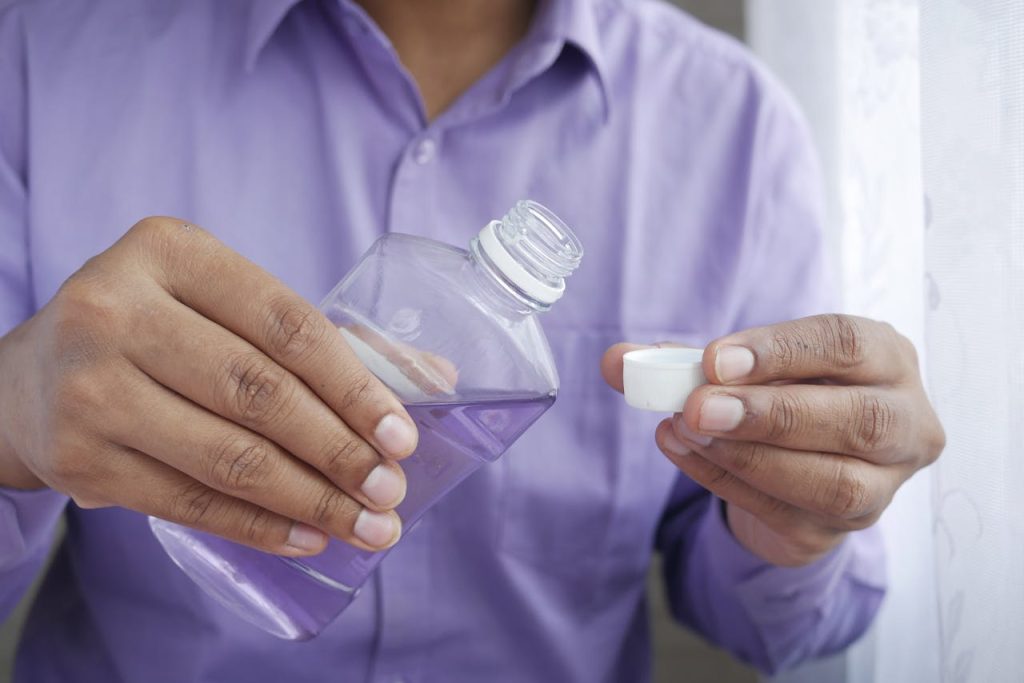
How to choose the right mouthwash for you?
The choice of mouthwash will depend on your dental needs and goals. Consult your dentist to determine which one is best for you, especially if you have gum problems, sensitive teeth, or any other specific medical condition.
If you have gingivitis or inflamed gums, an antiseptic mouthwash is highly recommended.
If you’re looking to whiten your teeth or remove surface stains, a rinse with whitening agents is ideal.
If you experience tooth sensitivity, a rinse with fluoride and potassium nitrate can help reduce discomfort.
Is it safe to use mouthwash?
Most mouthwashes are safe when used as directed. However, it’s important not to overuse them, especially those containing alcohol or harsh ingredients. Excessive use can cause irritation or dry mouth. It’s always advisable to consult your dentist if you have any concerns or if you suffer from a specific oral condition.
Mouthwashes are important allies for maintaining optimal dental health. By choosing the right one for your specific needs, you can complement your oral hygiene routine, prevent disease, and keep your smile fresh and healthy.