
If you have been told that you have insufficient bone for a dental implant, you may be wondering whether you can actually replace your missing tooth with dental implants. Insufficient bone volume does not necessarily mean that implants are no longer an option.
Today, different techniques are available to adapt treatment to each situation, from bone grafting and bone regeneration to short or angled implants. The most suitable option will depend on the quantity and quality of the bone, the area requiring treatment and each patient’s individual characteristics.
Why Might You Have Insufficient Bone for a Dental Implant?
Bone loss can be associated with several factors. One of the most common is the time elapsed since a tooth was lost: when the root is no longer present, the surrounding bone may gradually be reabsorbed.
Other contributing factors include:
- Previous periodontal disease.
- Infections, cysts or trauma.
- Individual anatomy and proximity to the maxillary sinus.
- Smoking.
- Bruxism.
- Uncontrolled diabetes.
- Certain medications.
When the available bone volume is limited, achieving proper implant stability and osseointegration can be more difficult. This is why a detailed assessment of the area is essential before deciding on treatment.
Can You Get Dental Implants If You Have Insufficient Bone?
In many cases, yes. Having insufficient bone does not automatically mean that you cannot receive a dental implant.
Depending on the situation, the specialist may consider different alternatives:
- Bone grafting.
- Guided bone regeneration.
- Sinus lift.
- Short implants.
- Angled implants.
- Advanced techniques for cases of significant bone loss.
The decision must be based on an individual assessment. Bone quantity and quality, the number of teeth to be replaced, bite alignment, gum health and overall health are some of the factors taken into account.
When Is a Bone Graft Necessary?
A bone graft aims to increase bone volume or promote bone formation in an area where there is not enough bone to place an implant in the appropriate position.
It may be necessary when the available bone width or height does not allow sufficient implant stability. Depending on the case, the graft may be performed before implant placement or during the same surgical procedure.
Different materials can be used, including the patient’s own bone, donor bone from tissue banks, xenografts or synthetic biomaterials.
After the procedure, a healing period is usually required to allow the tissue to integrate and mature before continuing treatment.
What Are Short and Angled Implants?
A bone graft is not always necessary. In certain patients, the specialist may consider short or angled implants to make the most of the available bone.
Short implants can be particularly useful in posterior areas where bone height is limited. Angled implants allow the implant position to be adjusted to avoid certain anatomical structures.
These alternatives require highly precise planning and are not suitable for every case. Bone quality and the way chewing forces are distributed are important factors.
What Techniques Are Available for Bone Regeneration?
When bone loss is more severe, advanced regenerative procedures may be considered.
These include:
- Guided bone regeneration using membranes.
- Sinus lift, when the available bone height in the upper posterior jaw is insufficient.
- Ridge expansion, when bone width is limited.
- Block bone grafts and, in certain cases, titanium meshes.
- Zygomatic or pterygoid implants in particularly complex situations.
These techniques are intended for specific situations and require specialist assessment.
How Are Dental Implants Planned When Bone Is Insufficient?
When bone loss is present, careful planning becomes even more important.
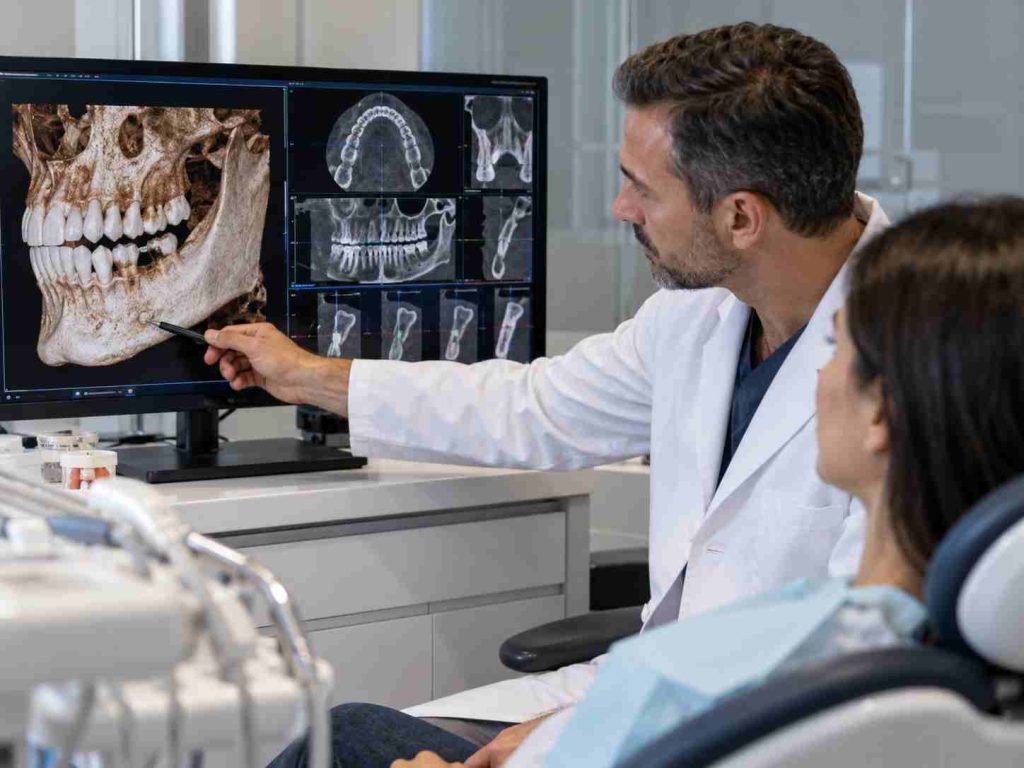
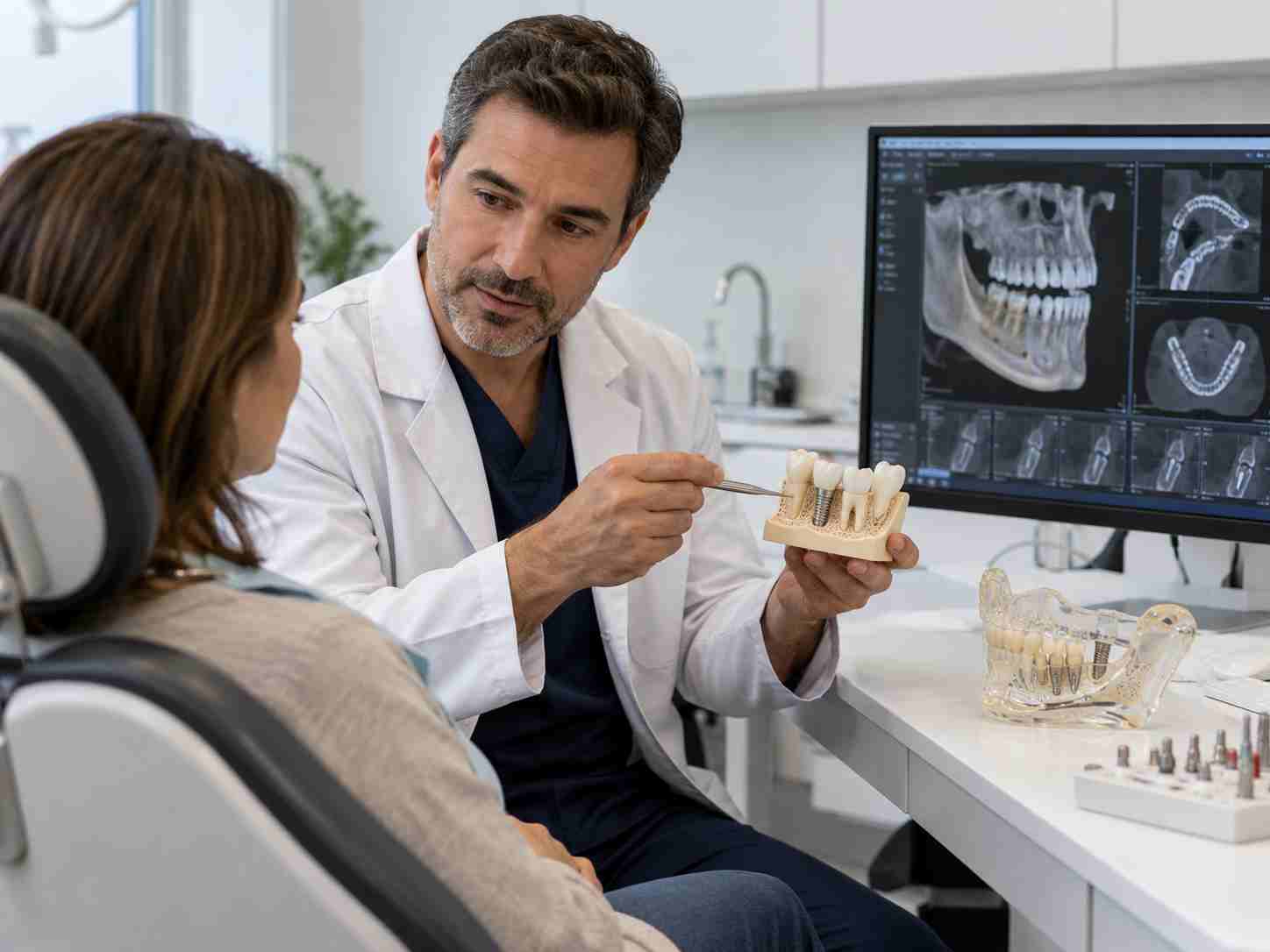
The assessment begins with a clinical examination and an evaluation of gum health, bite alignment and medical history. Imaging tests and a 3D cone beam CT scan (CBCT) are commonly used to assess bone height, width and quality, and to identify structures such as the maxillary sinus or mandibular nerves.
This information helps determine whether a bone graft, a short or angled implant, or another technique would be most appropriate.
Digital planning and surgical guides can also help position the implant along the most favourable axis.
What Is Recovery Like?
Recovery depends on the technique used and the extent of treatment. After surgery, mild discomfort and swelling may occur, which can usually be managed by following the prescribed medication instructions.
Common recommendations include:
- Applying a cold compress intermittently during the first few hours.
- Initially following a soft diet with cold or lukewarm foods.
- Avoiding smoking and alcohol.
- Maintaining careful oral hygiene according to the specialist’s instructions.
- Attending scheduled follow-up appointments.
When bone regeneration has been performed, treatment may involve additional stages and waiting periods before placing the implant or the final dental prosthesis.
What Are the Risks of Dental Implants When Bone Is Insufficient?
As with any surgical procedure, dental implants can involve complications. In cases of bone loss, treatment may be more complex, making proper planning particularly important.
Possible complications include infection, osseointegration problems, partial graft loss, sinusitis following a sinus lift or changes in sensation when nearby nerve structures are involved. Peri-implantitis may also develop if proper hygiene and follow-up care are not maintained.
Smoking, uncontrolled periodontal disease, bruxism and poor oral hygiene can increase the risk of complications.
How Do You Choose a Specialist for Dental Implants with Bone Loss?
If you have been diagnosed with bone loss, it is advisable to look for a professional with specific experience in dental implantology and bone regeneration.
It is also important that the clinic has 3D diagnostic technology and can clearly explain the available alternatives, their advantages and the limitations of your particular case.
Be cautious of promises of guaranteed results. Dental implant treatment should always begin with an individual assessment and include a long-term maintenance plan.
At ES Dental Clínic, we assess each case individually to determine when a bone graft may be necessary, when a short implant could be considered or whether a bone regeneration procedure should be performed beforehand.
Frequently Asked Questions About Dental Implants with Insufficient Bone
Do I Always Need a Bone Graft If I Have Insufficient Bone?
No. Depending on the quantity and quality of the available bone, alternatives such as short or angled implants may be possible. The decision requires a prior assessment, usually involving a CBCT scan.
Is Getting a Dental Implant with a Bone Graft Painful?
Local anaesthesia is used during the procedure. Afterwards, some discomfort and swelling may occur, which can usually be managed with medication prescribed by the specialist.
How Long Does Treatment with Bone Regeneration Take?
It depends on the size and location of the bone defect and each patient’s healing capacity. When a graft is necessary, treatment may be divided into several stages and require a waiting period before implant placement.
Can Temporary Teeth Be Placed on the Same Day as the Implant?
In certain cases, immediate loading may be possible, but this depends on the implant’s initial stability, bone quality and bite characteristics. It is not a suitable option for every patient.
What Alternatives Are Available If I Do Not Want a Bone Graft?
Depending on the individual case, alternatives such as a dental bridge supported by healthy adjacent teeth or a removable dental prosthesis may be considered. Each option has advantages and disadvantages.
Does Smoking Affect Dental Implants?
Yes. Smoking is associated with poorer healing and an increased risk of complications. Reducing or stopping smoking before and after treatment may improve the prognosis.
Does Age Prevent You from Getting Dental Implants If You Have Insufficient Bone?
Age alone is not usually the determining factor. Overall health, medication, gum health and the quantity and quality of available bone are more important considerations.