
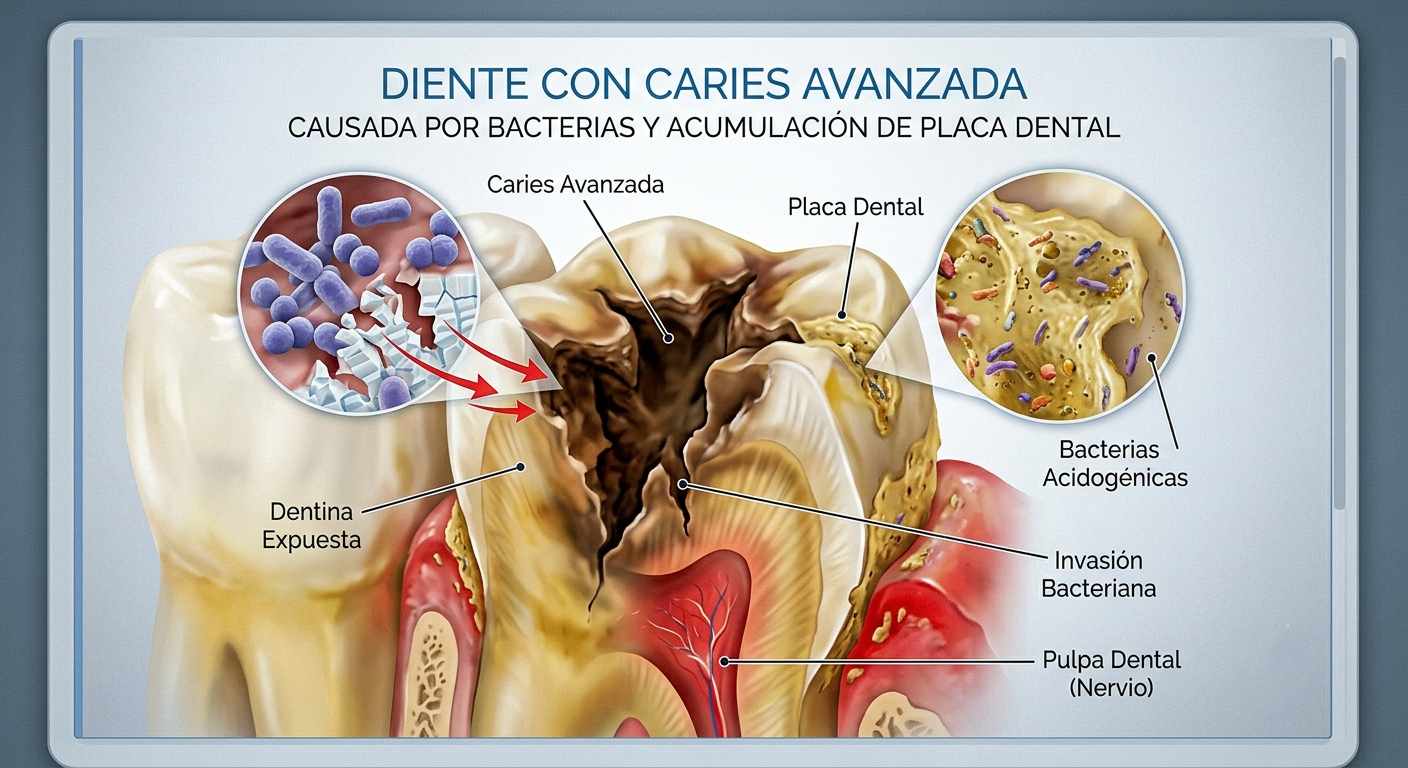
Teeth rot mainly because of untreated dental decay. This happens when bacteria in the mouth feed on sugars and starches from food, producing acids that progressively destroy the enamel and dentine and, if the process is not stopped, eventually reach the nerve.
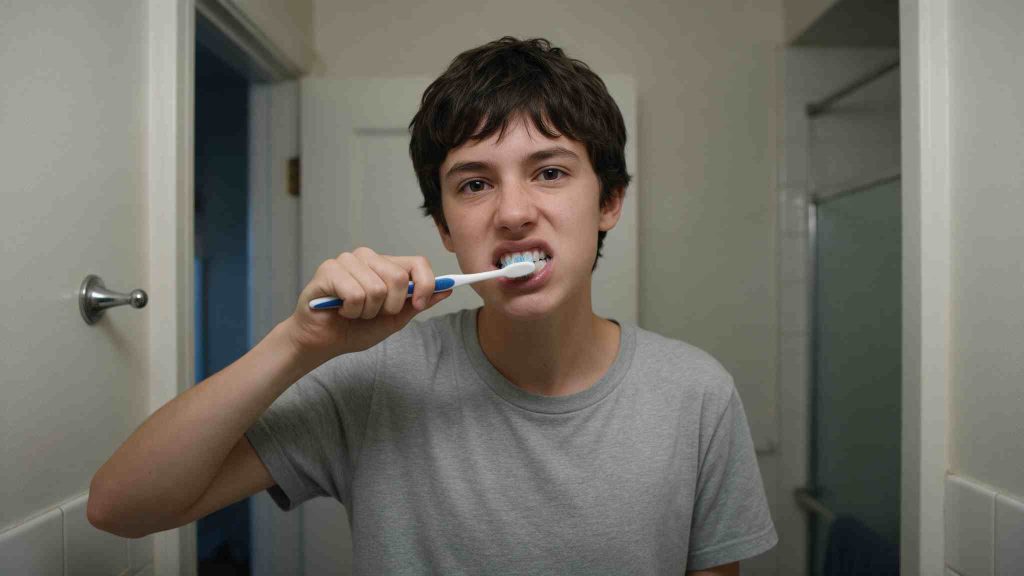
Even when you understand this process, it is common to look in the mirror and wonder: “Why is this happening to me?” or “Am I doing something wrong even though I brush my teeth every day?”. If this has happened to you, do not worry: you are not alone. Many of us have experienced that small dental scare and wondered whether our oral hygiene routine is actually failing.
Why do teeth rot?
It all begins almost without you noticing. Bacteria, which are always present in the mouth, break down food debris and produce acids. What is the consequence? These acids attack the enamel, the protective armour surrounding your teeth. When this barrier becomes weakened, the dentine —which is far more vulnerable— is exposed and the damage accelerates.
Although poor oral hygiene is usually considered the main culprit, you can do everything correctly and still experience problems. Diet, genetics or gum disease can also work against you. This leads to the big question: would you know how to distinguish a decayed tooth from a severely rotten one? The difference can sometimes be very subtle. The most dangerous aspect is that the process can be so quiet that you may only notice it once the tooth begins to hurt.
You have probably experienced a sharp twinge when eating ice cream or something sweet. This discomfort is often the first warning sign. Here is what you need to know: teeth never “rot” overnight. It is usually the result of small problems accumulating over time.
Main causes of tooth decay
There is no mystery. If you have ever noticed dark marks or been told that you have a cavity, these are the most common causes:
- Uncontrolled bacterial plaque: when brushing is not thorough enough, plaque sticks to the enamel and allows bacteria to thrive… and cause damage.
- Excessive sugar and acidic drinks: chocolate, sweets and fizzy drinks are the favourite foods of the bacteria responsible for tooth decay.
- Dry mouth: saliva is your best ally for clearing away debris and neutralising acids. When there is not enough saliva, the risk of decay increases.
- Gum disease: when the gums become inflamed or recede, they expose vulnerable areas of the teeth.
- Genetics: some people simply inherit teeth with weaker enamel. It may be unfair, but it is real.
- Poor oral hygiene in children: children who eat lots of sweets and regularly skip brushing are at greater risk of developing severely decayed teeth.
- Certain medicines: some medicines can alter the balance of saliva and encourage dental decay to progress.
Ultimately, the battle inside your mouth is a daily one. What you eat, how you brush and even your biological circumstances can become either your greatest allies or your worst enemies.
Signs and symptoms of teeth beginning to rot
Do you recognise that moment when you notice a darker tooth and think: “It is probably nothing”? That is a mistake. Most signs that a tooth is beginning to decay go unnoticed until the damage has already been done. These are the symptoms you need to monitor closely to avoid unpleasant surprises:
- Increased sensitivity to cold, heat or sweet foods: that sudden sharp sensation is not normal; it is a warning.
- Changes in colour: white or yellow marks that can progress until the tooth appears almost black.
- Persistent bad breath: the bacteria inside deep cavities do not exactly smell like roses.
- Intermittent or throbbing pain: it may appear when biting or arise suddenly, and often indicates an infection.
- Inflamed or bleeding gums: if this accompanies the previous symptoms, it is time to book an appointment.
- An unusual or bitter taste in the mouth: when the infection reaches the dental pulp, the taste can become unpleasant.
- Holes or rough areas in the tooth: if you run your tongue over the tooth and notice a hole, do not ignore it.
Do not wait until you are in significant pain before visiting the dentist. Identifying these warning signs can help you save the tooth before it is too late.
Consequences of leaving rotten teeth untreated
Many people believe that dental decay is little more than an aesthetic problem. However, ignoring a decayed tooth in the hope that it will improve by itself is one of the worst possible decisions.
What can happen if you ignore the problem? Pay attention:
- The infection progresses: bacteria can reach the dental pulp, cause an abscess and even infect the bone.
- Loss of the tooth: when there is no healthy dental tissue left, extraction may be the only remaining option.
- Severe pain: this is not merely a mild discomfort, but pain that may even prevent you from sleeping.
- Bad breath and gum problems: these can affect your confidence and social life.
- Health complications: in extreme cases, oral infections have been associated with heart problems or difficulties controlling diabetes.
A rotten tooth rarely repairs itself. If your mouth is asking for help, why not respond before the problem becomes worse?
Solutions and treatments for rotten teeth
“What should I do now?” If you have found yourself asking this question, the worst thing you can do is leave it unanswered. Nobody wants to hear the word “extraction”, but the good news is that alternative treatments are often available.
Treatment options
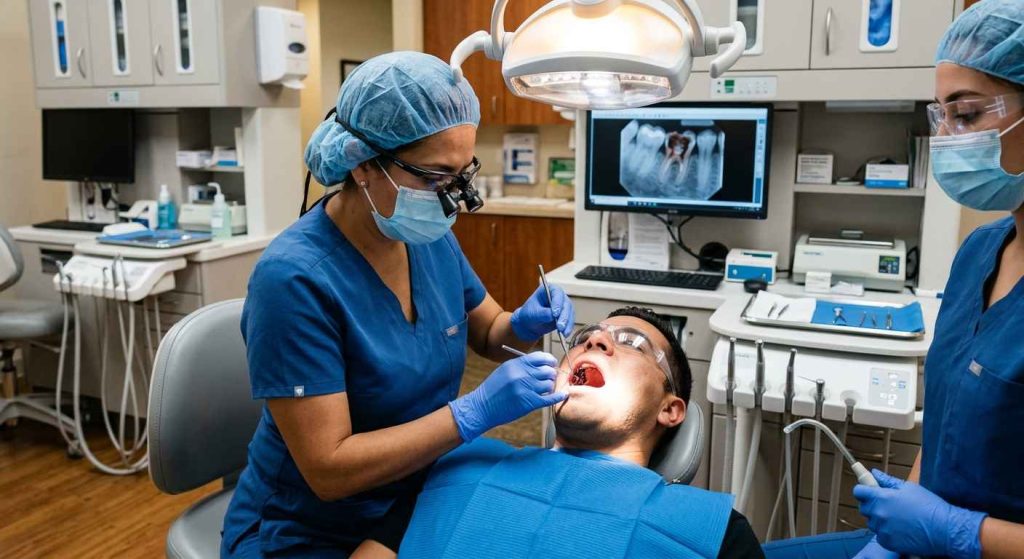
- Dental filling: ideal when the decay is not very advanced. The dentist removes the damaged tissue and fills the cavity to restore the tooth.
- Root canal treatment: when the problem reaches the centre of the tooth —the pulp—, the infected tissue must be removed and the tooth sealed to prevent the infection from returning.
- Dental crown: if the tooth is weakened but can still be saved, it is covered with a crown to protect it and restore its appearance and function.
- Dental extraction: when there is no other option, removing the tooth is the quickest way to stop the infection and relieve the pain.
- Antibiotics and drainage: if an abscess has developed, medication and drainage may be required before the tooth can be treated.
Can rotten teeth be restored in adults?
In many cases, yes. If you have not waited too long and the damage can still be repaired, it may be possible to save the tooth. In children, the priority is to prevent the permanent teeth from being affected.
Visiting the dentist is not the end of the world. Sometimes, it is simply a matter of listening to what your mouth is trying to tell you and finding a solution before it protests even more loudly.
How to prevent teeth from rotting
What if, instead of repairing damaged teeth, we prevent the damage from occurring? Here are some simple and effective recommendations to keep your teeth in excellent condition for much longer:
- Brush after every meal and always use fluoride toothpaste. Fluoride acts like an extra layer of armour for your teeth.
- Use dental floss: your toothbrush cannot reach every corner, but floss can.
- Use mouthwash daily: it reduces bacteria and helps maintain fresh breath.
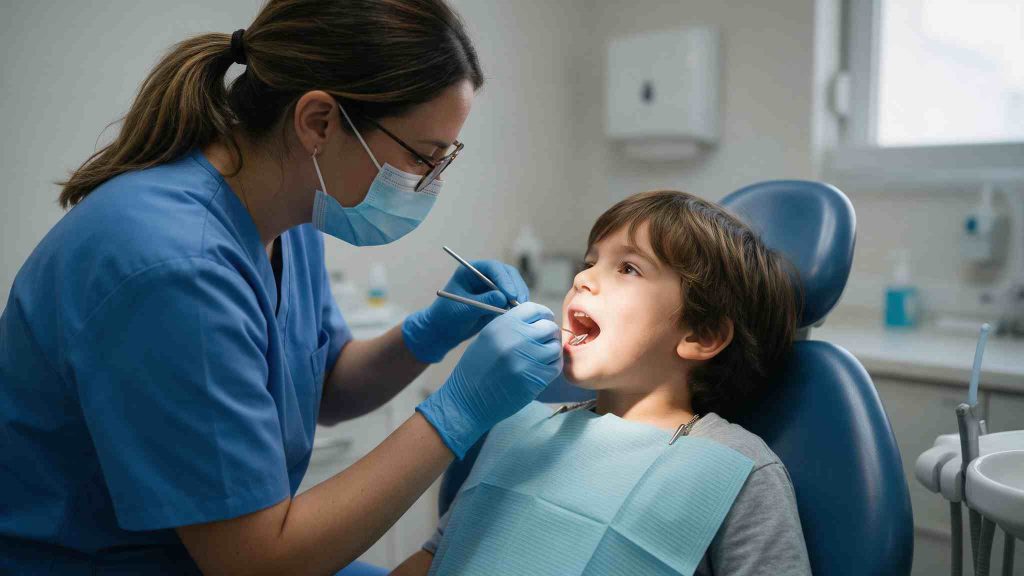
- Attend regular dental check-ups: these visits are not simply an opportunity to be told off. They also allow problems to be detected while they are still easy to treat.
- Reduce sugar and acidic drinks: replace fizzy drinks and sweets with healthier alternatives, and your teeth will thank you.
- Ask for advice if you notice marks or sensitivity: the earlier you act, the easier the solution is likely to be.
- Dental sealants for children: these are highly effective at protecting children’s newly erupted teeth.
Teeth are not made of porcelain, but they are not made of iron either. They need attention and care, just like every other important part of your body.
Frequently asked questions
Why do adults’ teeth rot even if they brush them?
Genetics, brushing technique, medication and even the pH of the mouth can all have an influence. It does not depend solely on having a good toothbrush.
How can you distinguish between a decayed tooth and a rotten tooth?
A decayed tooth usually has more superficial damage. A severely rotten tooth may hurt, change colour and cause an unpleasant smell.
Can a rotten tooth be reversed?
If the problem is identified early, a filling may be sufficient. If the damage is very advanced, only a dentist can determine whether the tooth can still be saved.